
How to Improve Airflow in Every Room of Your Home
Open Vents and Clear the Space Around Them
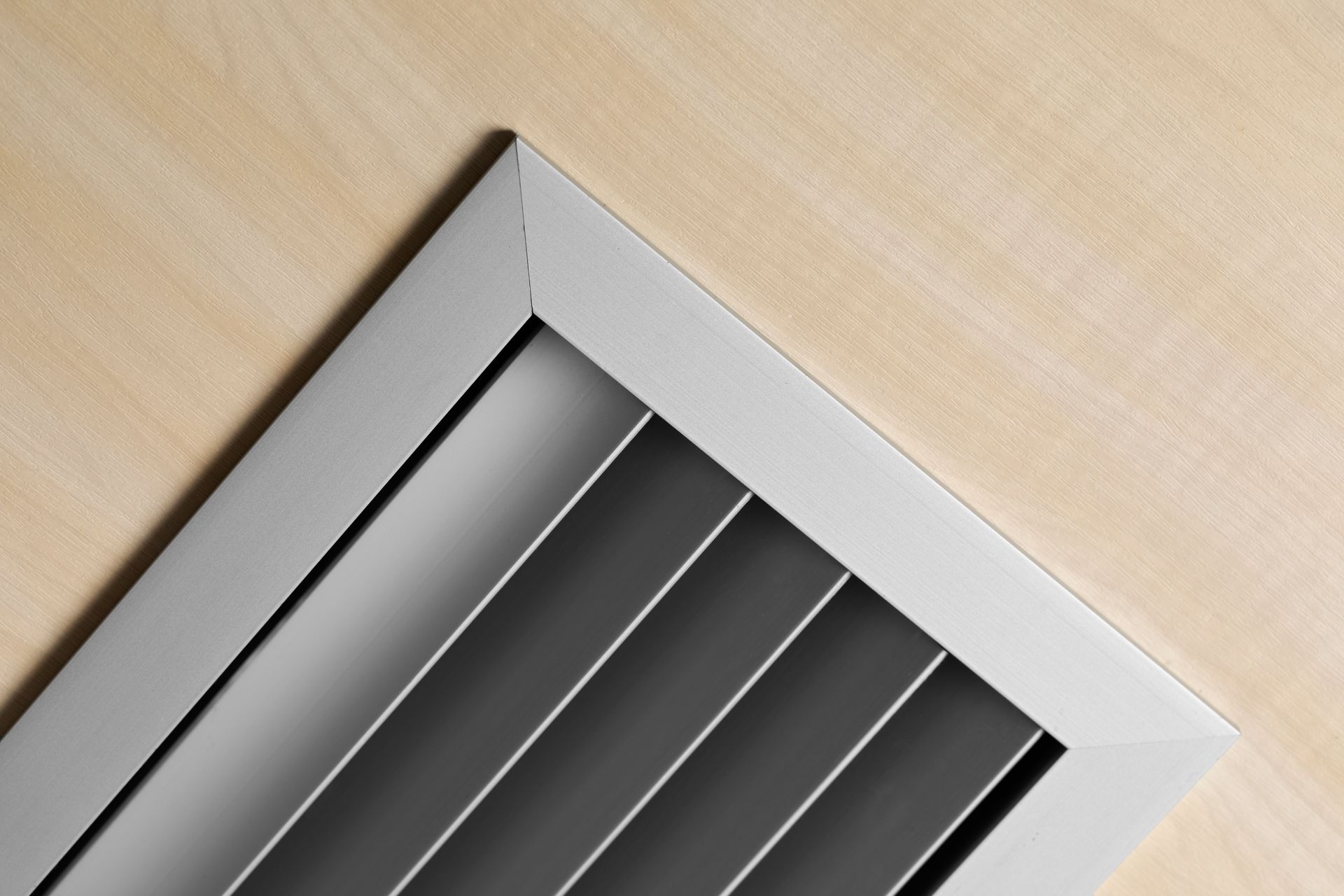
This is the most overlooked fix, and it's completely free. Walk through every room in your home and check that all the vents are fully open and unobstructed. Closing vents in rooms you don't use often seems like a smart move, but it actually increases pressure inside your ductwork and throws the whole system off balance. Your HVAC system is designed to distribute air across a specific number of vents. Block some of them, and the others suffer.
Beyond open vents, look at what's around them. Furniture, rugs, curtains, and shelving units can all block airflow without you realizing it. A couch pushed against a floor vent will absorb all that conditioned air before it ever reaches the room. Move large pieces of furniture a few inches away from any vents and make sure nothing is draped over supply or return registers. It's a small change that can make a noticeable difference.
Your Air Filter Affects Every Single Room
A clogged air filter weakens airflow everywhere. The filter is the gateway through which all the air in your system passes. When it's packed with dust and debris, your HVAC unit has to work harder to pull air through, and less of it makes it to your vents. Rooms at the end of your duct runs, usually the ones farthest from the unit, feel this the most. They're the last to receive air, so any reduction hits them hardest.
Changing your filter regularly is one of the most impactful things you can do for whole-home airflow. In Florida, where systems run almost continuously, filters need changing every one to three months. Pick up a few extras so you always have one on hand. While you're at it, make sure you're using the right filter for your system – one that's too thick or has too high a MERV rating can restrict airflow almost as much as a dirty one. When in doubt, check your system's manual or ask your HVAC contractor.
Leaky Ducts Are Robbing Rooms of Conditioned Air
If certain rooms always feel warmer or stuffier than the rest of the house, leaky ductwork is a likely cause. Your ducts carry conditioned air from your HVAC unit to every room, but cracks, gaps, and loose connections along the way let that air escape into your attic or walls. The rooms at the end of the duct line end up getting whatever's left, which often isn't much.
In essence, you should watch for these red flags:
- One or two rooms that never quite reach the right temperature,
- Noticeably weaker airflow from certain vents compared to others,
- Energy bills that keep rising without a clear reason,
- Excessive dust buildup around vent covers in specific rooms,
- Your system running longer than usual to reach the thermostat setting.
AC Maintenance Directly Impacts Airflow Throughout Your Home
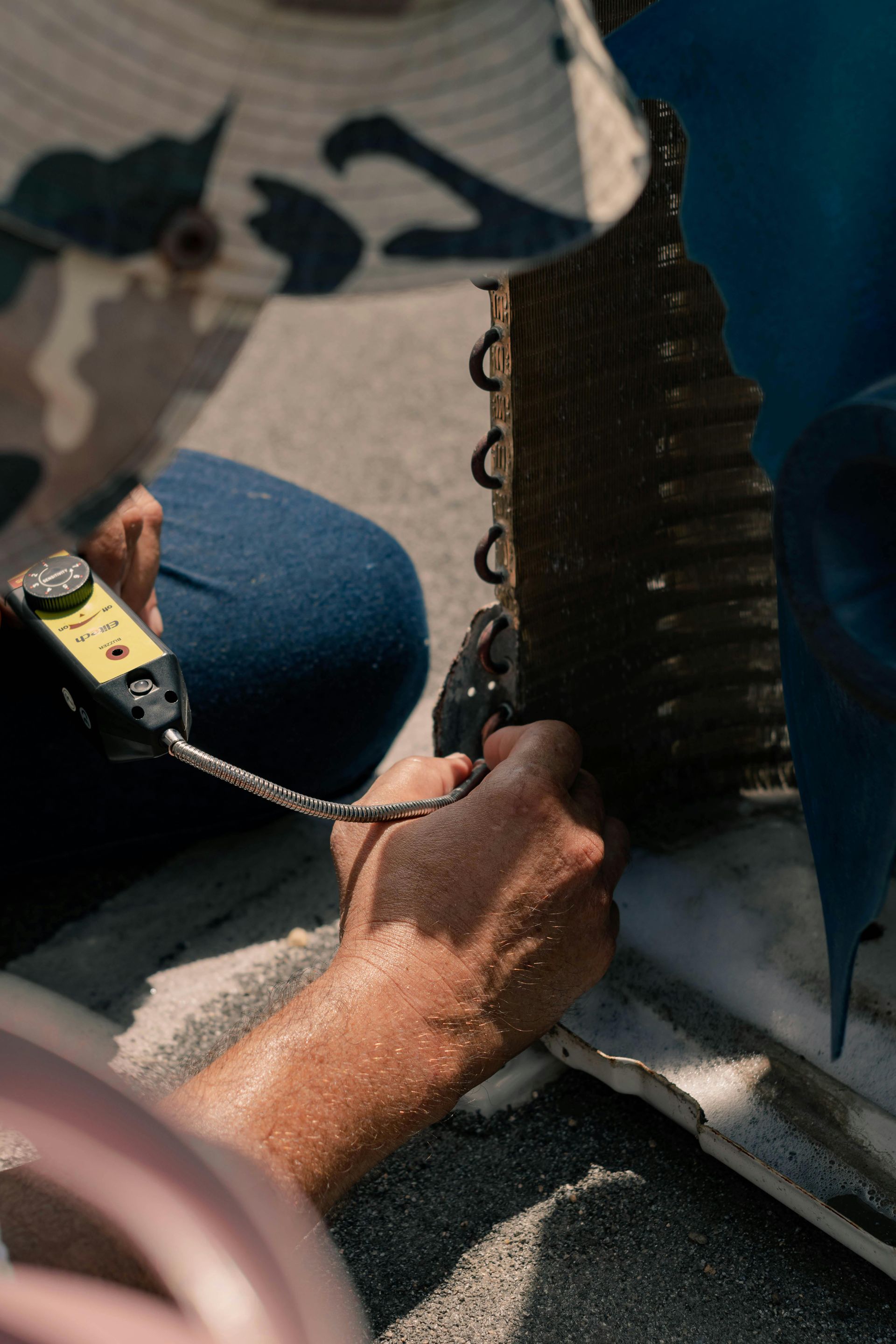
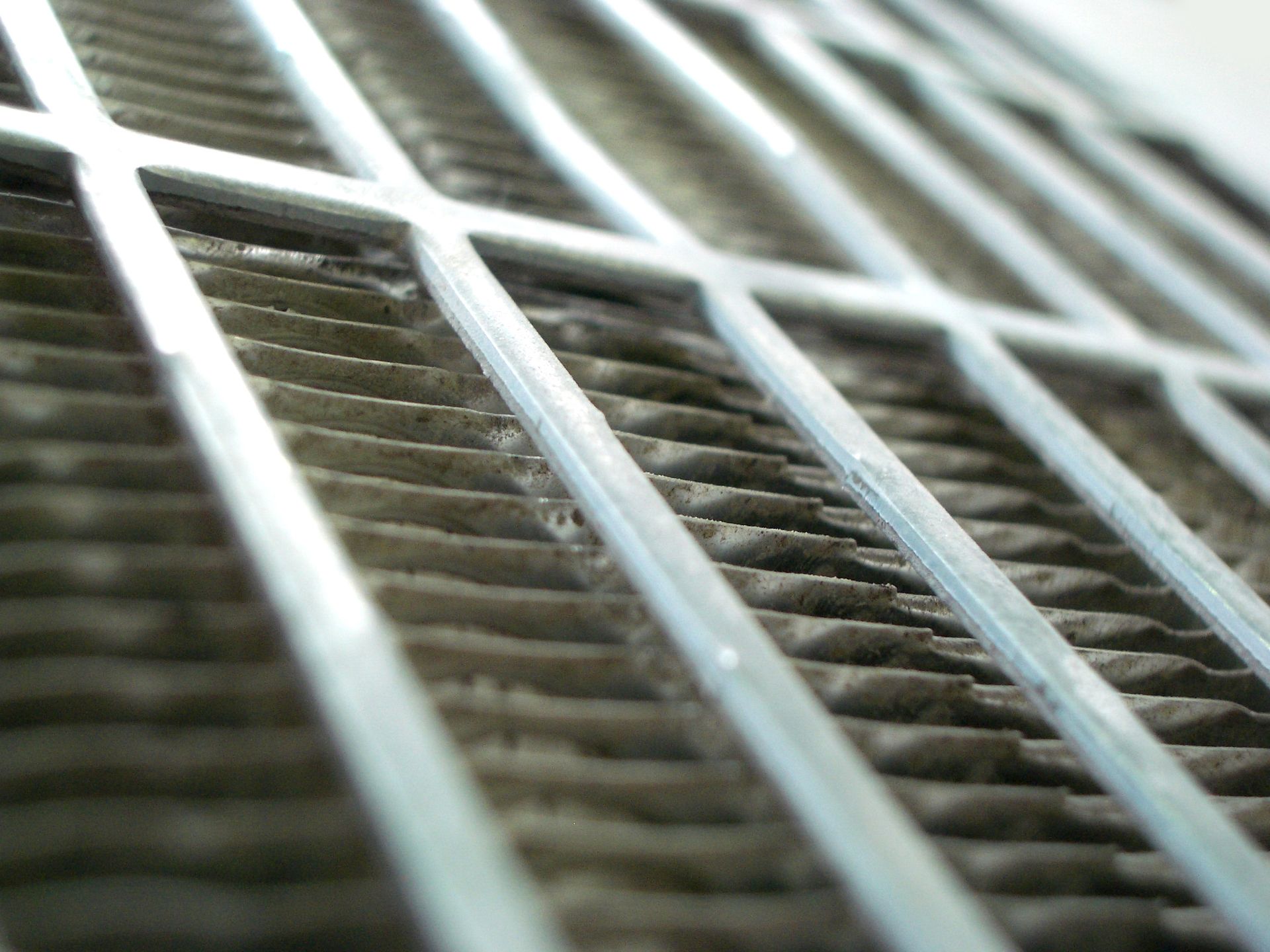
Routine AC maintenance directly affects how well air moves through your home. During a maintenance visit, a technician cleans the evaporator and condenser coils, checks the blower motor, inspects the ductwork, and makes sure refrigerant levels are correct.
The blower motor deserves special attention here. It's the part that physically moves air through your ducts, and when it starts to wear out or gets coated in dust and grime, it loses power. Less power means less airflow reaching your rooms. A technician will clean and test the blower as part of a standard maintenance visit.
Ceiling Fans Are a Simple and Effective Airflow Boost
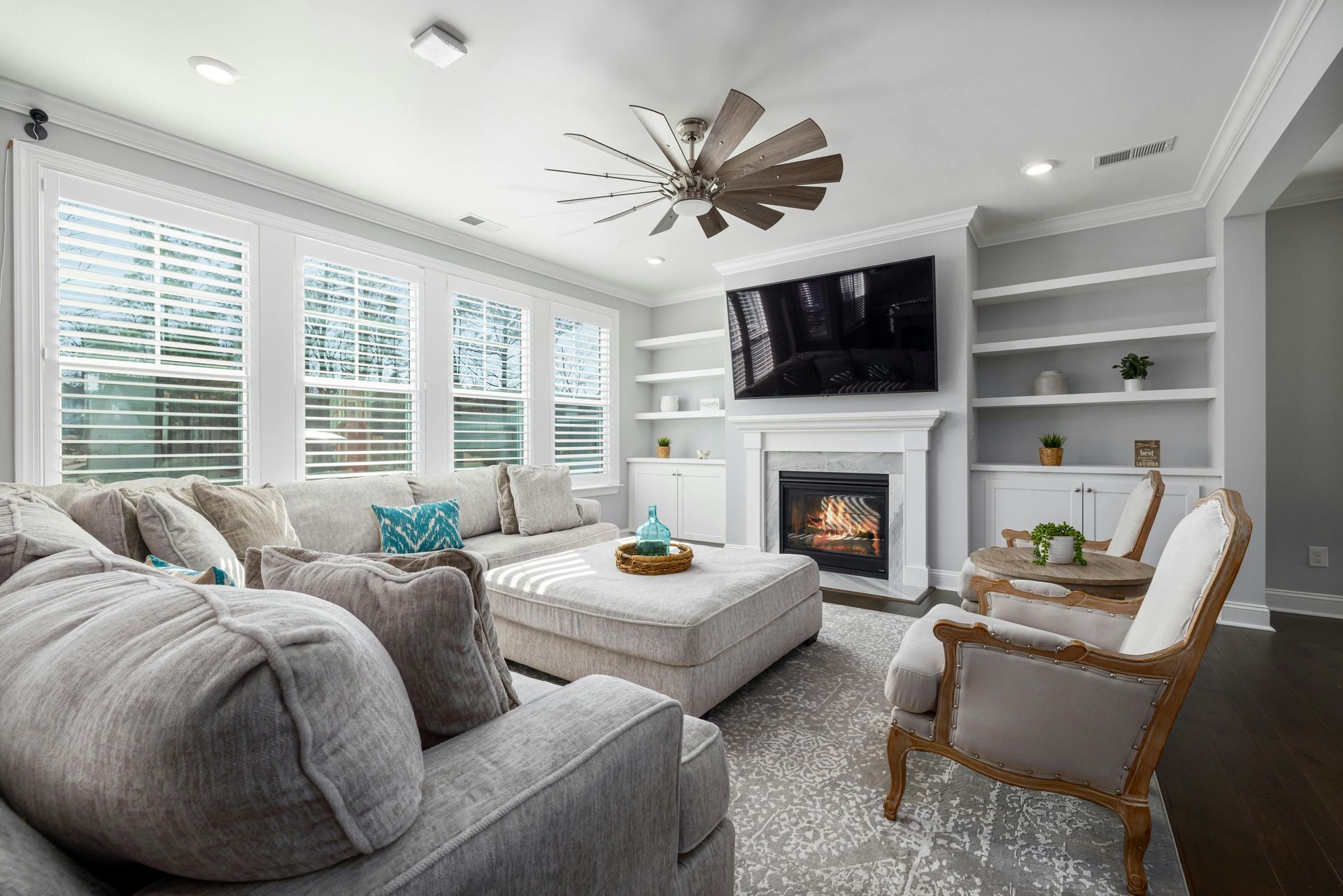
Ceiling fans don't actually change the temperature of a room, but they make it feel several degrees cooler by creating a wind chill effect on your skin. That means your AC doesn't have to work as hard to make a room feel comfortable. More importantly, ceiling fans help circulate the air that your HVAC system delivers, pushing it throughout the room rather than letting it pool near the vents.
One thing most people get wrong with ceiling fans is the direction setting. In summer, your fan should spin counterclockwise when viewed from below – this pushes cool air down into the room. In winter, switch it to clockwise at a low speed to pull cool air up and push warm air down from the ceiling.
An HVAC Contractor Can Find What You Cannot
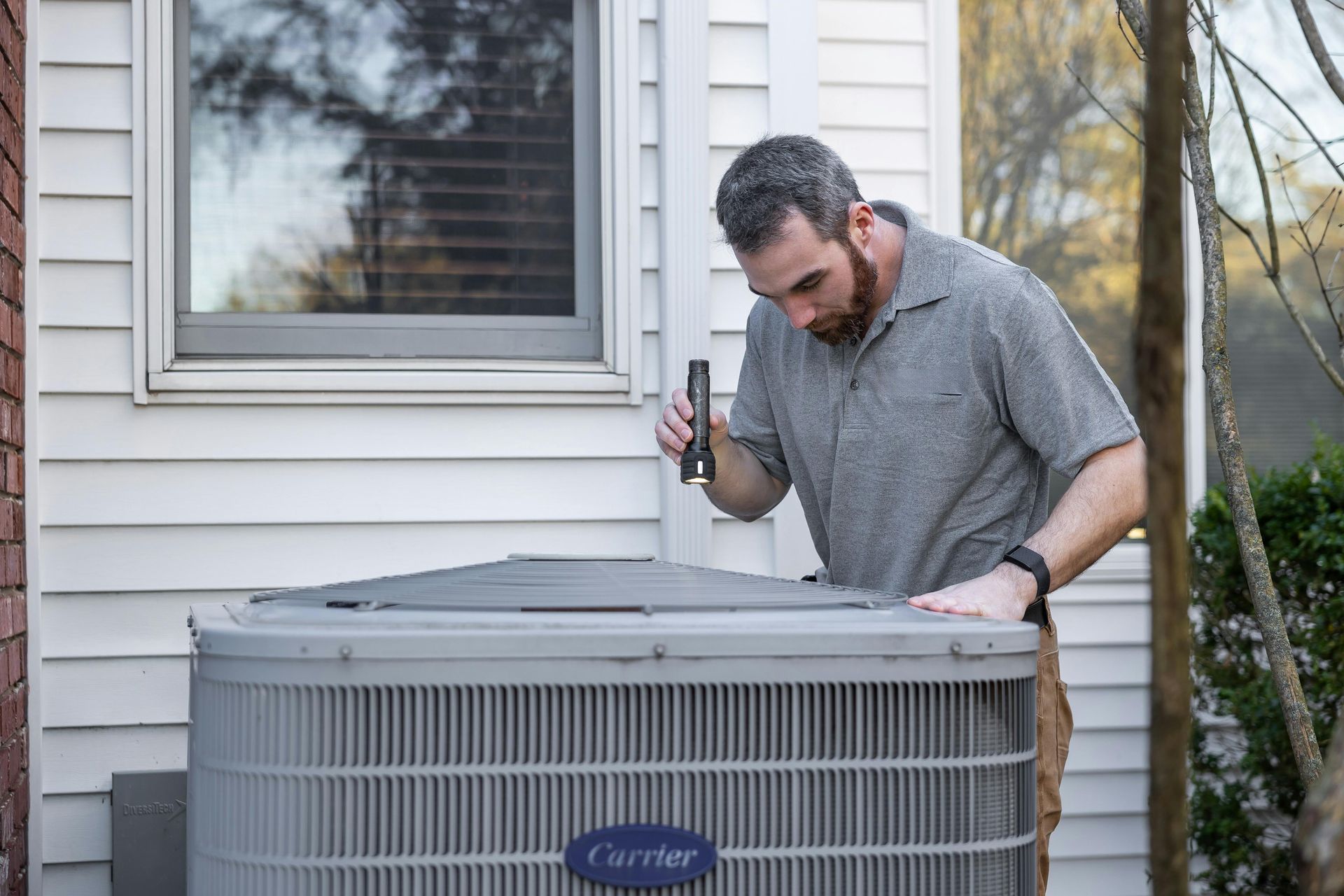
Some airflow problems are easy to fix yourself. Others require a trained eye and the right equipment to diagnose properly. If you've tried the basics – changed your filter, cleared your vents, repositioned furniture, and certain rooms still feel like they're getting left out, it's time to call a professional.
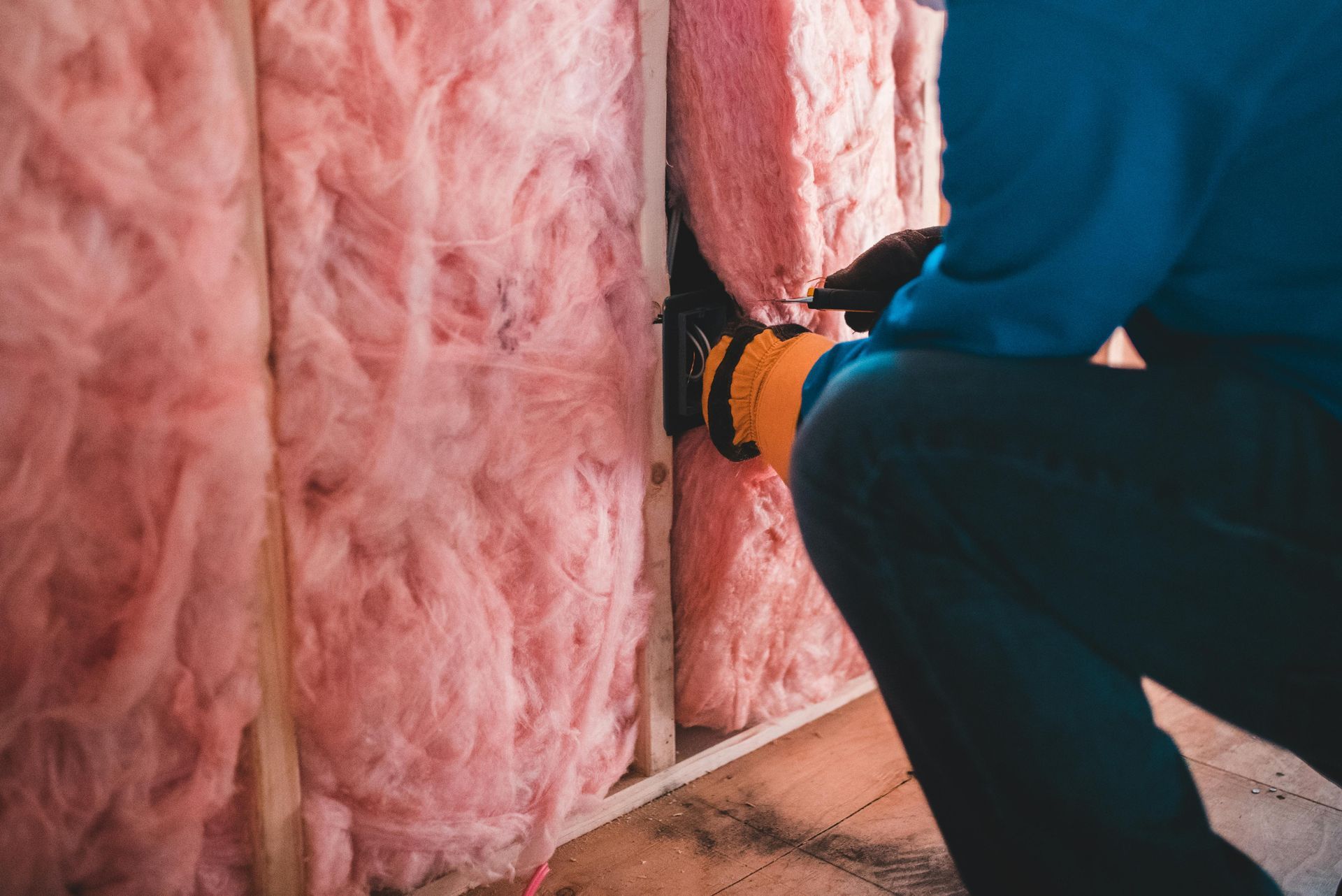
A contractor can also evaluate whether your current system is properly sized for your home. An undersized unit will always struggle to deliver adequate airflow, especially to rooms that are farthest from the unit or have poor insulation. Sometimes the fix is a zoning system, which allows you to control different areas of your home independently. Other times, it's adding a supplemental return duct or adjusting dampers inside the ductwork.
Every Room Deserves to Feel Comfortable
Uneven airflow doesn't have to be something you just live with. From simple fixes like clearing your vents and changing your filter, to professional solutions like duct sealing and system balancing, there are real answers to the problem. A comfortable home means every room (not just the ones closest to the unit) feels cool and consistent, no matter how hot it gets outside.
If you're in Holiday, FL and tired of rooms that never feel quite right, Ordine's Air Conditioning and Heating can help. Our team will assess your system, find what's limiting your airflow, and get every room in your home feeling the way it should. Give us a call today because comfort starts here.
Fred Ordine, Owner
Florida-certified HVAC contractor (CAC1821753) with 30+ years and three generations of HVAC experience across Tampa Bay. About Ordine's