
The Role of Insulation in HVAC Efficiency
Insulation Does the Heavy Lifting Your AC Can't
Think of insulation as a thermal barrier between your living space and the brutal heat outside. In Florida, that heat is relentless, and without proper insulation, it pushes right through your walls, attic, and ceiling into your home. Your AC then has to work overtime just to keep up. The system runs longer, uses more energy, and wears out faster. Good insulation slows that heat transfer down dramatically, giving your HVAC system a fighting chance.
This relationship works both ways. In the cooler months, insulation keeps the warm air your heating system produces from escaping outside. Every time conditioned air leaks out through poorly insulated walls or a thin attic, your system has to generate more to replace it. That constant cycle of losing and replacing conditioned air is exactly what drives energy bills up and shortens the lifespan of your HVAC equipment.
The Attic Is Where Most Florida Homes Lose Efficiency
If there's one place where insulation makes the biggest difference in a Florida home, it's the attic. During the summer, attic temperatures can climb well above 140 degrees. Without adequate insulation between your attic and your living space, that extreme heat radiates straight down through your ceilings. Your air conditioning system picks up the slack, running longer and harder to offset the heat gain.
The U.S. Department of Energy recommends that attics in Florida's climate zone have insulation rated between R-38 and R-60. Many older homes fall well short of that. If your home was built more than 15 to 20 years ago and the insulation has never been upgraded, there's a good chance it's not doing the job it should.
Duct Insulation Deserves Just as Much Attention
Most people think about insulation in walls and attics, but your ductwork needs it too, especially in Florida. A large portion of duct systems run through attics, and when those ducts aren't insulated, the conditioned air traveling through them absorbs heat before it ever reaches your vents. By the time that air enters your living room, it's significantly warmer than it was when it left your HVAC unit.
Insulated ducts are a simple fix that makes a measurable difference. Here's what poorly insulated or uninsulated ducts can lead to:
- Conditioned air losing 20 to 30 percent of its cooling capacity before reaching vents,
- Rooms farthest from the unit running noticeably warmer than the rest of the house,
- The HVAC system cycling on and off more frequently than it should,
- Accelerated wear on your air conditioning equipment from the extra workload,
- Higher monthly energy bills with no obvious explanation.
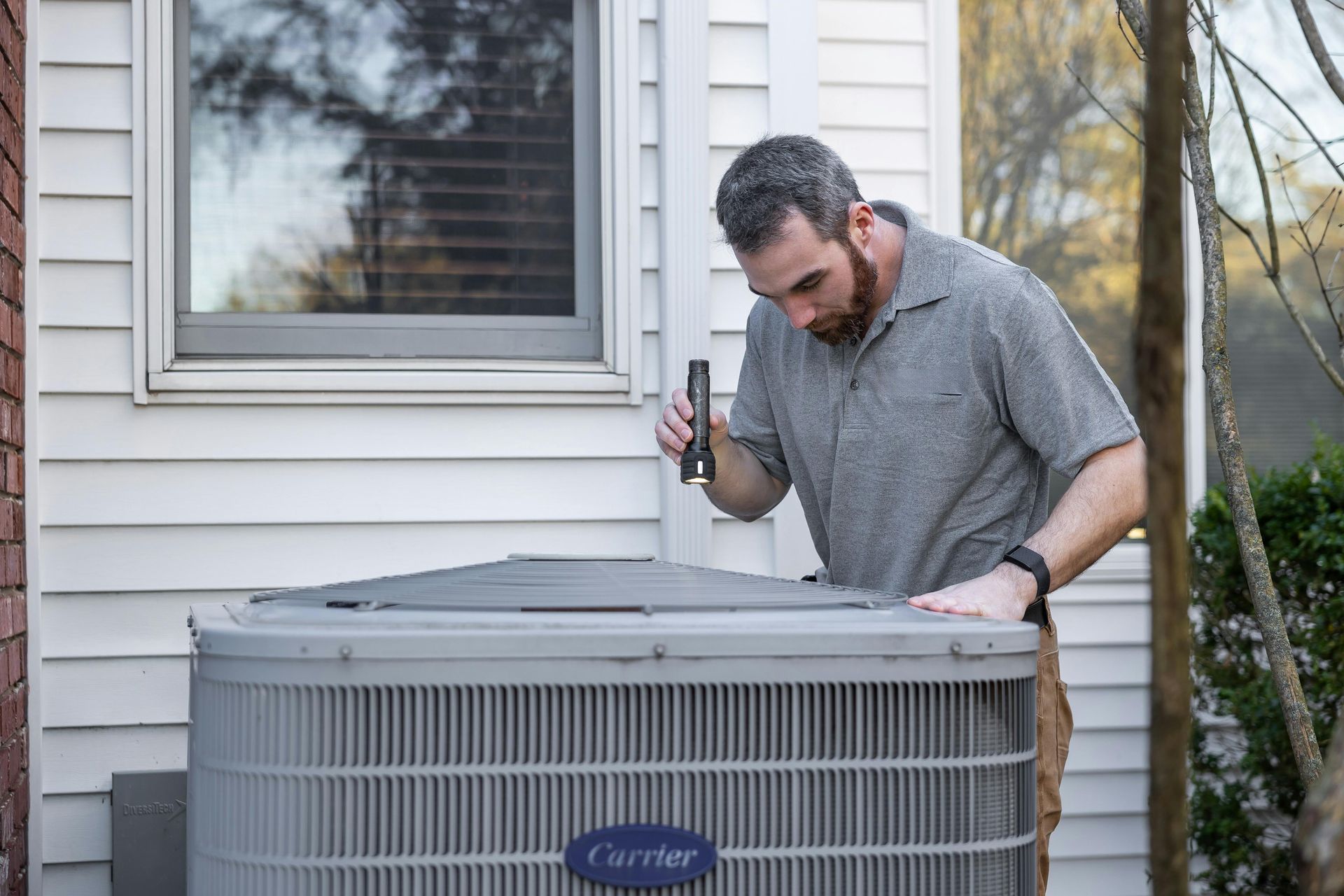
A professional HVAC inspection will assess your duct insulation along with the rest of your system. It's worth asking about specifically if your home was built before the mid-2000s.
HVAC Efficiency Starts Long Before the System Turns On
Here's something most people don't think about until it's time for AC installation – the efficiency of your new system depends heavily on the condition of your home's envelope. The home envelope is everything that separates your conditioned indoor air from the outdoor environment: walls, windows, doors, roof, and insulation. An HVAC contractor sizing a new system will factor in how well your home is insulated, because a poorly insulated home needs a larger system to compensate for all that heat gain and loss.
But here's the catch – a larger system isn't always better. An oversized AC unit in a poorly insulated home will short-cycle, meaning it turns on and off too frequently without completing a full cooling cycle. That's hard on the equipment and bad for indoor air quality.
Poor Insulation Shows Up on Your Energy Bill Every Month
One of the clearest signs that your home's insulation is underperforming is an energy bill that just keeps climbing, even when your habits haven't changed. In Florida, air conditioning accounts for the majority of most homeowners' energy costs. When insulation is inadequate, your HVAC system runs far longer than it needs to in order to maintain your set temperature. All that extra runtime adds up fast, and you pay for it every single month without ever addressing the root cause.
The frustrating part is that many homeowners assume the problem is with their HVAC system and invest in repairs or a new unit, without ever fixing the insulation issue. That new system will face the same problem and produce the same high bills.
AC Maintenance Pairs Perfectly With Insulation Upgrades
Improving your insulation is a great step, but it works best when your HVAC system is also in top shape. A well-insulated home with a poorly maintained system still won't perform the way it should. Routine AC maintenance ensures that your equipment is clean, calibrated, and capable of taking full advantage of the improved thermal environment your insulation creates.
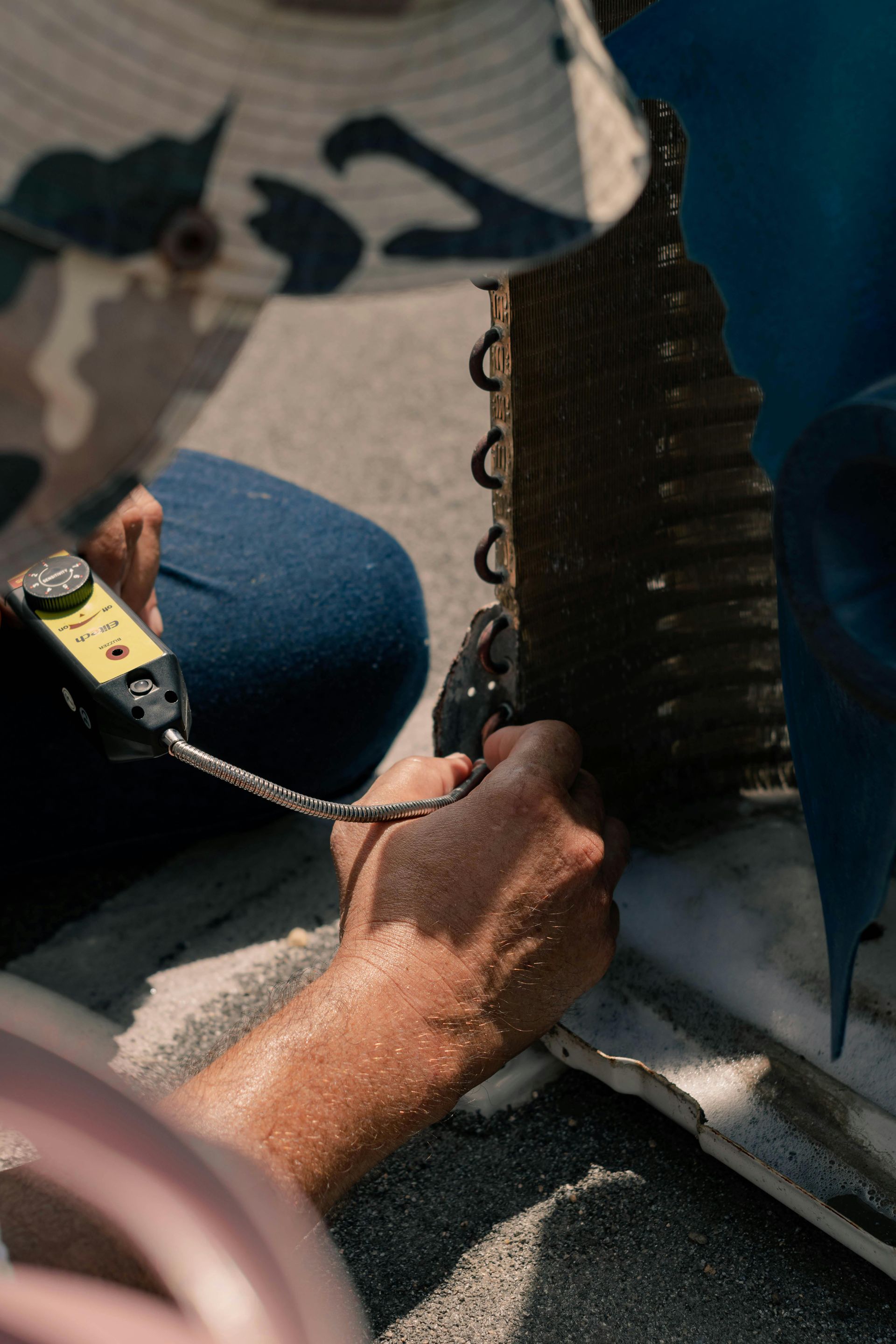
During a maintenance visit, a technician checks refrigerant levels, inspects and cleans coils, tests the blower, and looks at the overall condition of your ductwork. When these components are running efficiently inside a well-insulated home, the difference is significant – lower energy bills, more consistent temperatures, better indoor air quality, and a system that lasts years longer.
Insulation and HVAC Work Better Together Than Apart
Your HVAC system and your home's insulation are a team. When one of them is underperforming, the other one suffers, and so does your comfort and your wallet. Whether you're dealing with high energy bills, rooms that won't cool down, or a system that never seems to shut off, insulation could be a big part of the answer.
If you're in Holiday, FL, and want to know how your insulation is affecting your HVAC efficiency, Ordine's Air Conditioning and Heating is here to help. We'll assess your system, walk you through what's working and what isn't, and help you build a more comfortable, efficient home. Contact us today to make your system work smarter, not harder.
Fred Ordine, Owner
Florida-certified HVAC contractor (CAC1821753) with 30+ years and three generations of HVAC experience across Tampa Bay. About Ordine's