
How to Lower Your Energy Bills with an Efficient HVAC System
Why HVAC Efficiency Matters So Much in Florida
In Florida’s climate, air conditioning systems run for much of the year. Even small inefficiencies can add up quickly when a system cycles on and off daily to combat heat and humidity. An efficient HVAC system:
- Uses less electricity to achieve the same comfort level
- Maintains steadier indoor temperatures
- Reduces strain on components, lowering repair needs
Over time, efficiency directly impacts both energy bills and system lifespan.
Start With the Right System Size and Installation
One of the most common reasons for high energy bills is an improperly sized HVAC system. Systems that are too large cool the space too quickly, shutting off before removing enough humidity. Systems that are too small run constantly, driving up energy use. Proper HVAC installation includes:
- Accurate load calculations
- Correct system sizing for the space
- Balanced airflow throughout the building
Working with an experienced HVAC contractor ensures the system operates efficiently from day one.
Upgrade to a High-Efficiency HVAC System
Older air conditioning systems are far less efficient than modern equipment. Newer systems are designed to deliver better cooling performance while using significantly less energy. High-efficiency HVAC systems offer:
- Improved energy ratings
- More consistent temperature control
- Better humidity management
While HVAC installation requires an upfront investment, the long-term savings on energy bills often make it worthwhile.
Keep Up With Regular AC Maintenance
One of the simplest ways to lower energy bills is routine AC maintenance. Dirty filters, coils, and components force the system to work harder than necessary. Regular HVAC maintenance helps:
- Improve airflow and heat transfer
- Reduce energy waste
- Catch small issues before they become expensive repairs
Well-maintained systems operate more efficiently and are less likely to require emergency AC repair during peak seasons.
Replace Air Filters Consistently
Air filters play a crucial role in both efficiency and indoor air quality. When filters are clogged, airflow is restricted and the system must run longer to cool the space. To improve efficiency:
- Replace filters every one to three months
- Use filters recommended for your system
- Check filters more often during heavy use
Clean filters reduce energy consumption and improve comfort.
Optimize Thermostat Settings
Thermostat habits have a direct impact on energy bills. Small adjustments can result in noticeable savings over time. Energy-saving thermostat tips include:
- Setting the temperature a few degrees higher when away
- Avoiding extreme temperature swings
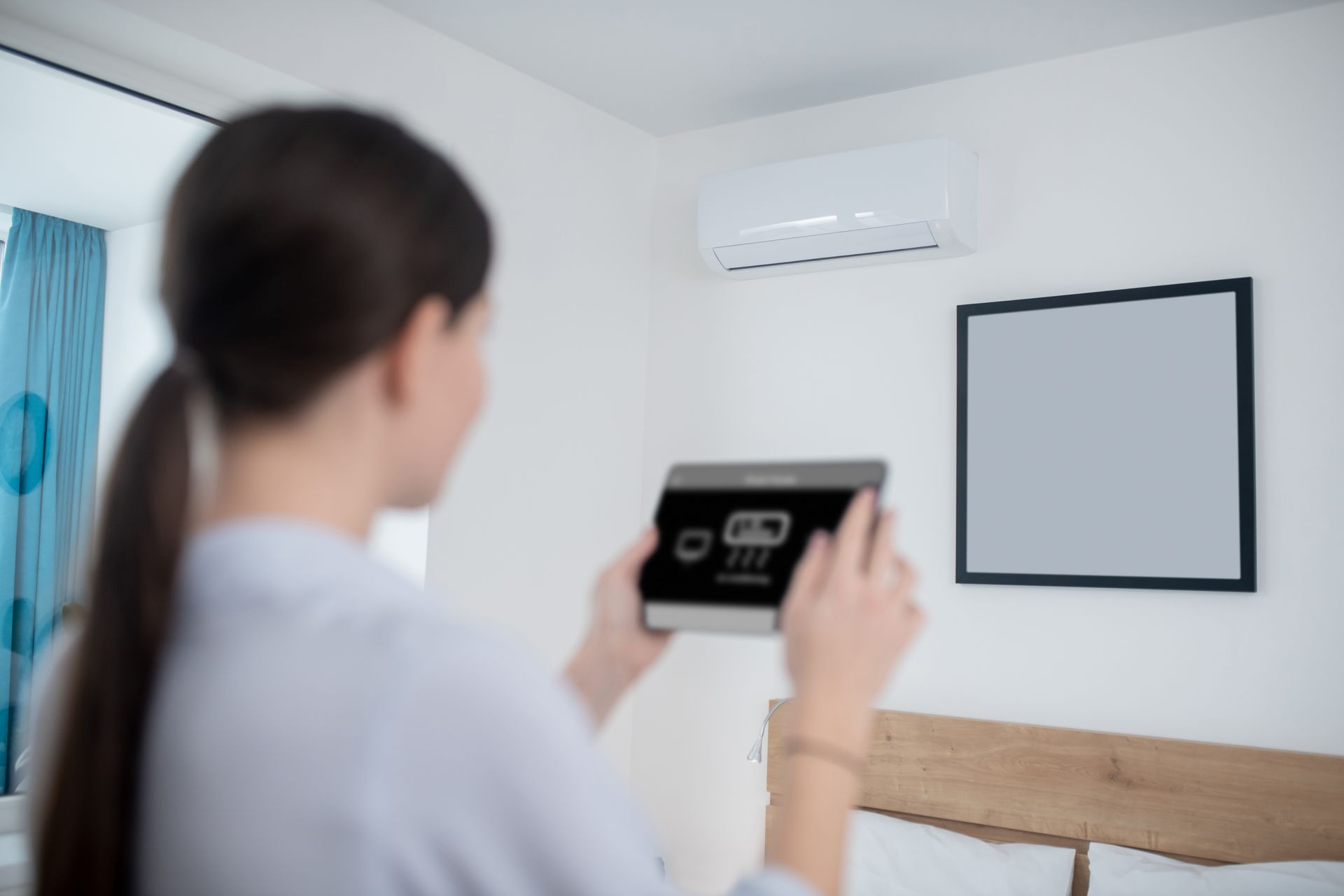
- Using programmable or smart thermostats
Smart thermostats help manage energy use automatically, preventing unnecessary system run time.
Seal and Insulate Your Home Properly
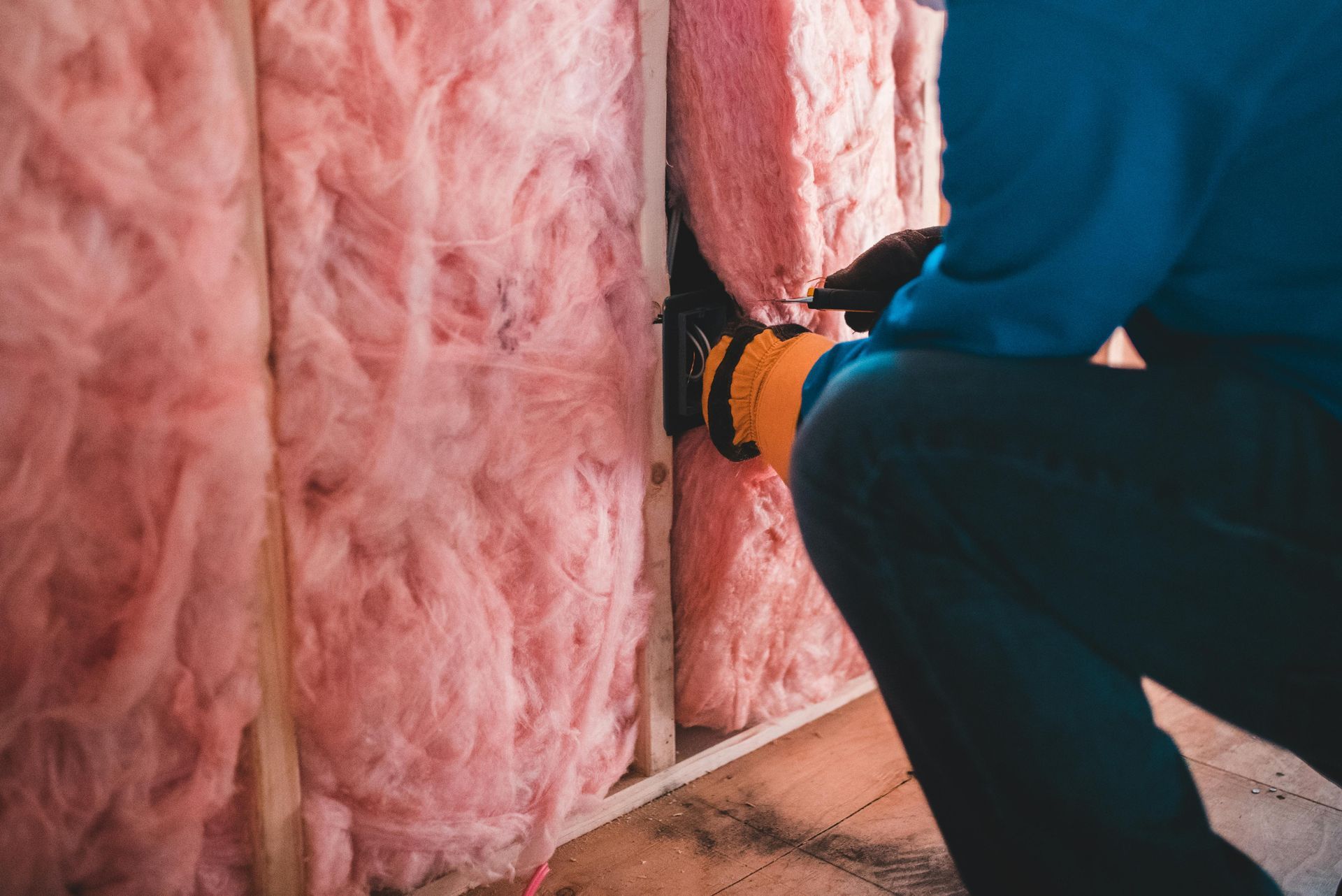
Even the most efficient HVAC system can’t perform well if cooled air escapes through gaps or poorly insulated areas. Insulation and sealing work together to reduce energy loss. Energy-saving improvements include:
- Sealing duct leaks
- Insulating attics and walls
- Closing gaps around doors and windows
Proper insulation allows your HVAC system to maintain comfort with less effort.
Maintain Clean Ductwork for Better Airflow
Ductwork distributes conditioned air throughout the home. Leaks, blockages, or dirty ducts reduce efficiency and increase energy use. Benefits of clean, well-sealed ductwork include:
- Improved airflow
- More even cooling
- Reduced system run time
Periodic duct inspection and cleaning support energy efficiency and indoor air quality.
Control Humidity to Reduce Cooling Demand
Humidity makes indoor spaces feel warmer than they actually are. When humidity is high, occupants often lower the thermostat, increasing energy use. Efficient HVAC systems help:
- Remove excess moisture
- Maintain balanced humidity levels
- Improve comfort at higher thermostat settings
Proper humidity control allows you to stay comfortable without overcooling.
Address Repairs Before They Escalate
Minor HVAC issues often increase energy consumption long before they cause system failure. Problems like refrigerant imbalances, worn motors, or electrical issues force systems to run inefficiently. Prompt AC repair:
- Restores proper operation
- Prevents energy waste
- Reduces the risk of emergency breakdowns
Ignoring small issues often leads to higher bills and costly emergency HVAC repair calls.
Consider Zoning for Larger Homes or Businesses
Zoned HVAC systems allow different areas of a building to be cooled independently. This prevents energy waste in unused spaces. Zoning helps:
- Reduce unnecessary cooling
- Improve comfort in occupied areas
- Lower overall energy usage
Zoning is especially effective for larger homes and commercial HVAC applications.
Monitor System Performance Over Time
Energy efficiency isn’t static. Systems change as components age, usage patterns shift, and conditions vary. Monitoring helps identify:
- Gradual increases in energy consumption
- Performance declines
- Maintenance or upgrade needs
Staying aware of changes allows timely action before costs rise significantly.
Prevent Emergency Costs With Proactive Care
Emergency HVAC repairs are often more expensive and disruptive. Systems that are well-maintained and efficiently operated are far less likely to fail unexpectedly. Preventive care:
- Reduces emergency repair needs
- Protects comfort during peak demand
- Controls long-term operating costs
Energy savings and reliability often go hand in hand.
Residential and Commercial Energy Savings
Both residential HVAC and commercial HVAC systems benefit from efficiency improvements. Businesses may see additional savings by reducing downtime and protecting temperature-sensitive equipment. Efficient systems support:
- Lower operating expenses
- Better indoor air quality
- Consistent comfort for occupants
Professional service ensures efficiency strategies are applied correctly.
Long-Term Savings Add Up
Lowering energy bills isn’t about a single change—it’s about building an efficient system over time. Small improvements compound into meaningful long-term savings. An efficient HVAC system delivers:
- Reduced monthly utility costs
- Fewer repairs
- Longer equipment lifespan
These benefits make efficiency one of the smartest investments you can make in your property.
Work With a Trusted HVAC Contractor in Holiday, FL
Lowering energy bills starts with understanding your HVAC system and how it operates. Whether you need AC maintenance, AC repair, or a high-efficiency HVAC installation, professional support makes all the difference. If you’re ready to improve efficiency and reduce energy costs, contact Ordine’s Air Conditioning & Heating. Our team helps homeowners and businesses in Holiday, FL optimize HVAC performance, control energy use, and enjoy reliable comfort without unnecessary expense.
Fred Ordine, Owner
Florida-certified HVAC contractor (CAC1821753) with 30+ years and three generations of HVAC experience across Tampa Bay. About Ordine's