
What Causes Weak Airflow from Your Vents?
A Dirty Air Filter Is the Most Likely Culprit
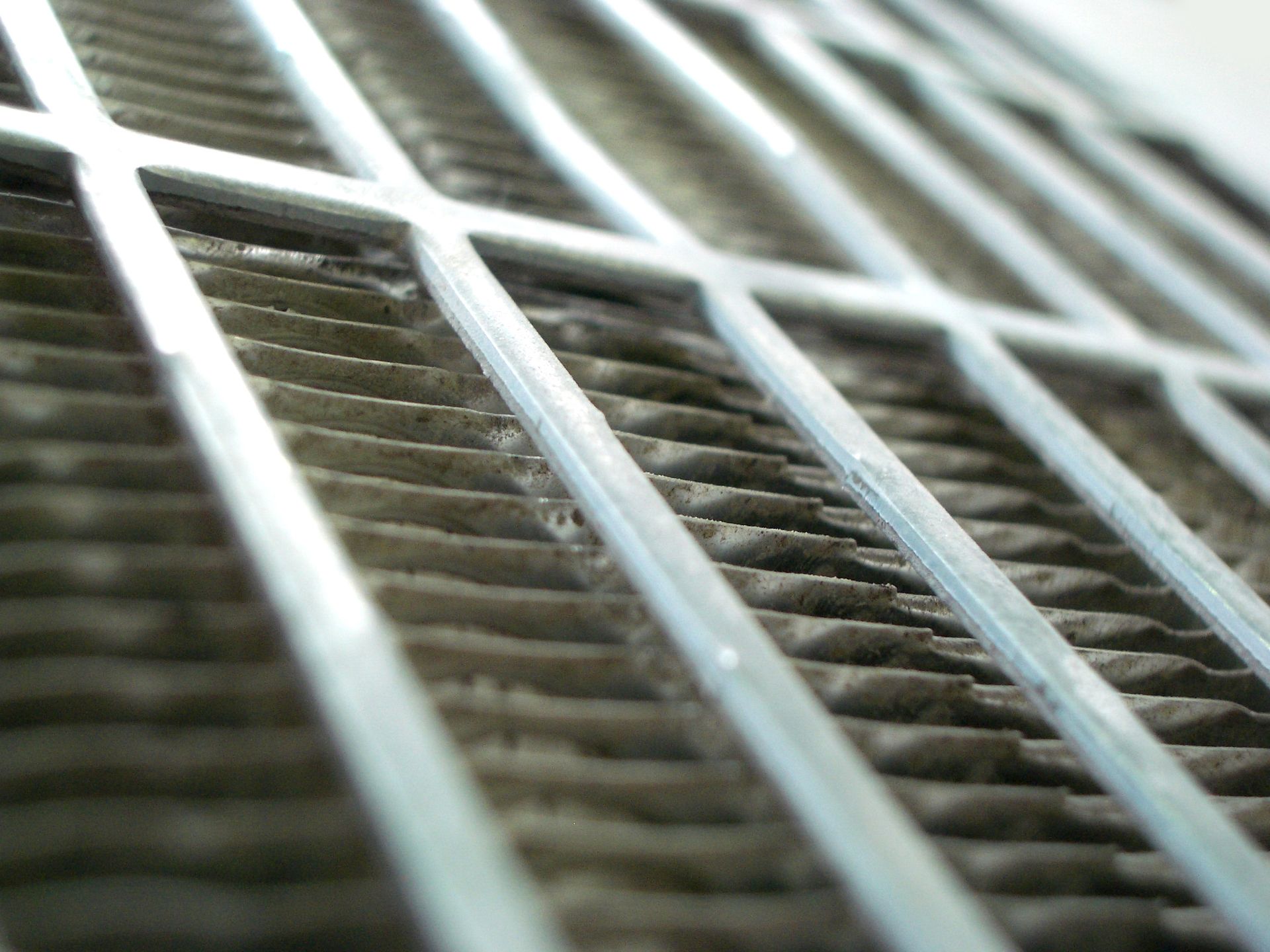
This is the number one reason for weak airflow, and it's also the easiest fix. Your air filter catches dust, pet hair, pollen, and all kinds of debris before it enters your HVAC system. When that filter gets too clogged, it blocks the air from moving through properly. Your system ends up working harder while delivering less air to your vents. That's a lose-lose situation.
Most manufacturers recommend changing your filter every 1 to 3 months, but in Florida, where AC systems run almost year-round, you might need to do it more frequently. Check your filter right now – if it looks gray and packed with dust, that's your answer. Replacing it takes about two minutes and costs just a few dollars.
Blocked or Closed Vents Are Easy to Overlook
Before blaming your HVAC system, take a walk around your home and check every vent. It sounds simple, but it happens more often than you'd think. A piece of furniture gets moved in front of a vent, or someone closes a vent in a room they're not using. Both situations restrict airflow throughout the whole system, not just in that one room.
Your system is designed to push a specific volume of air, and when vents are blocked, pressure builds up and weakens airflow everywhere else. Here's a quick checklist to run through when airflow feels weak:
- Make sure all vents are fully open, even in rooms you rarely use,
- Pull furniture, rugs, and curtains away from vents,
- Check that vent covers aren't bent, broken, or caked with dust,
- Look for any vents that may have been accidentally closed by kids or guests.
Once you've cleared everything up, give your system a few minutes to balance out. You might notice an immediate improvement without calling anyone.
Leaky Ductwork Is Silently Stealing Your Airflow
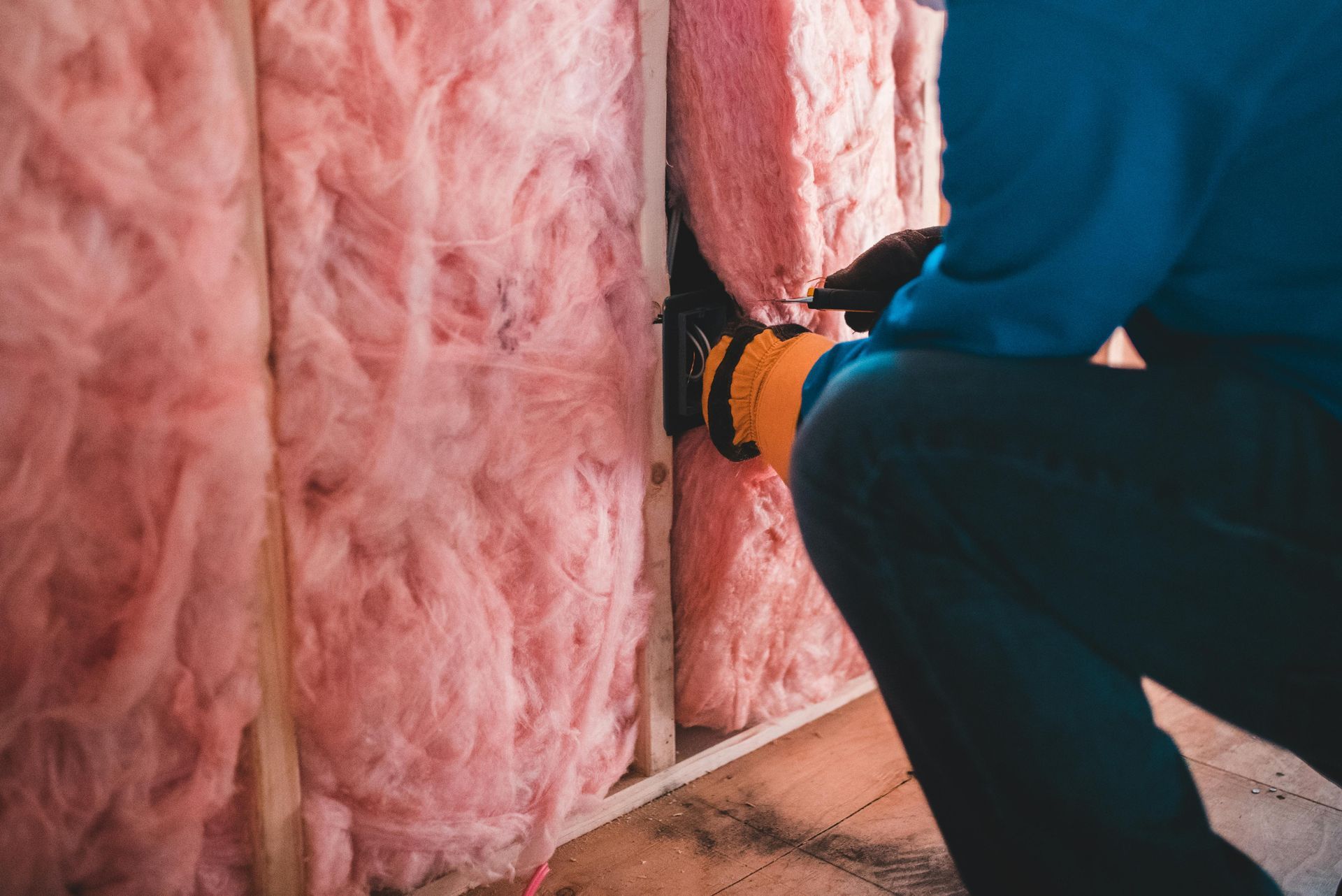
Your ducts are the hidden highway that carries conditioned air from your HVAC unit to every room in the house. When there are cracks, gaps, or disconnected sections in that ductwork, a big chunk of your cooled or heated air never makes it to the vents. It leaks out into your attic, walls, or crawl spaces instead. Studies have shown that homes with leaky ducts can lose up to 30% of their conditioned air, and in a Florida summer, that's a serious problem.
The tricky part is that you usually can't see duct damage without a professional inspection. Signs that leaky ducts might be the issue include rooms that never seem to reach the right temperature, higher-than-usual energy bills, and, you guessed it, weak airflow at certain vents. A trained HVAC technician can perform a duct leakage test and seal any problem areas. It's an investment that pays off fast through lower energy bills and a more comfortable home.
Weak Airflow from Vents Often Points to AC Problems
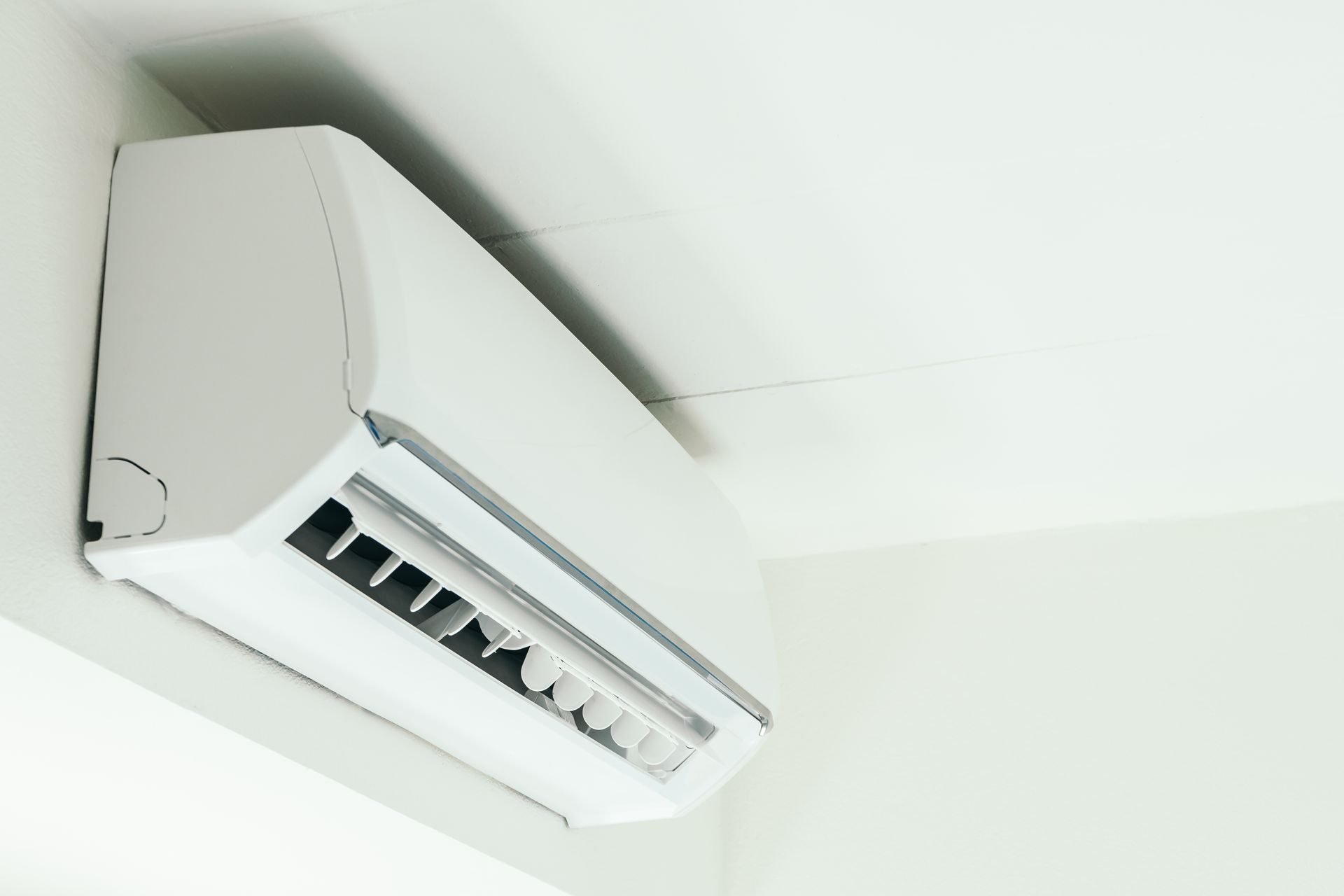
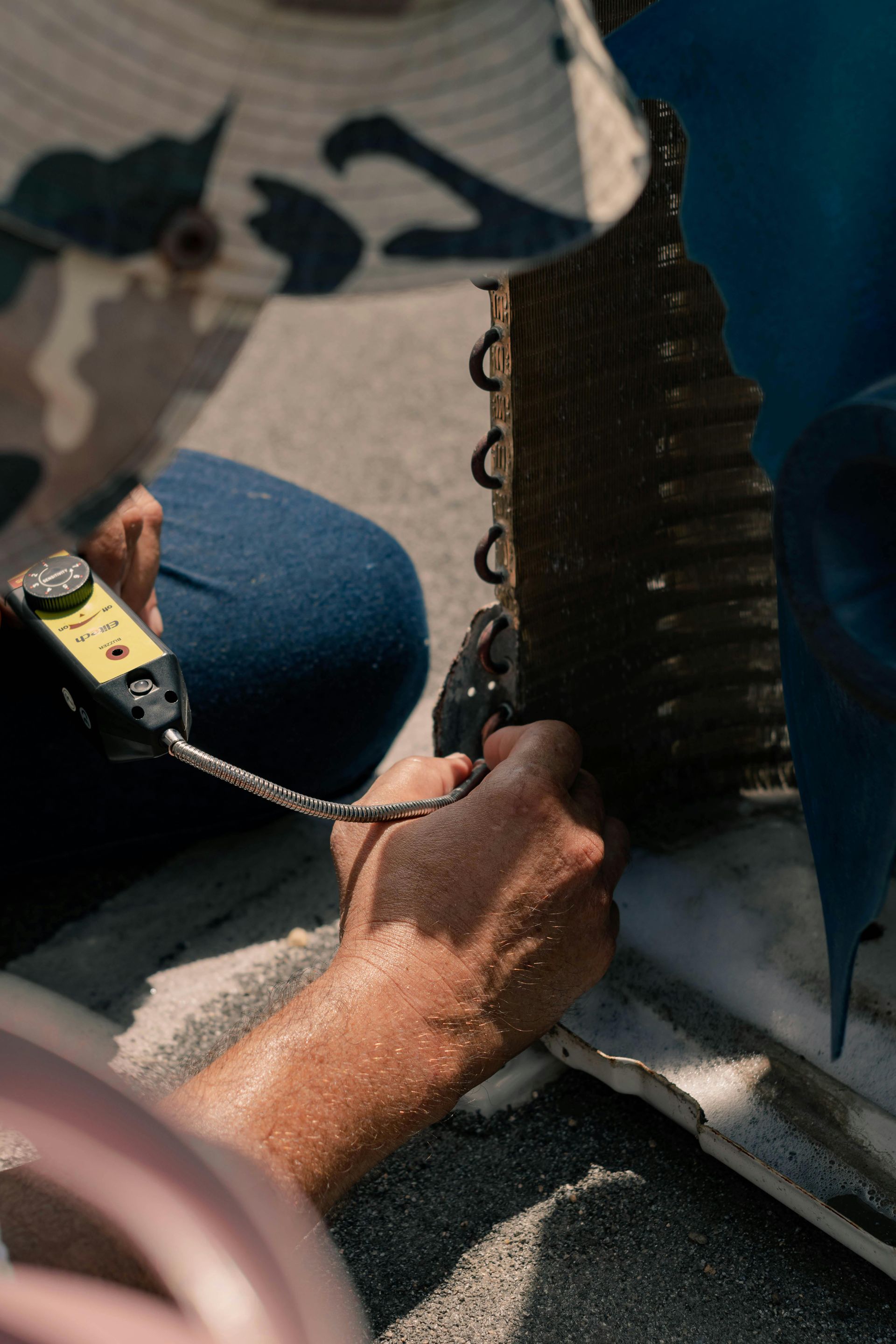
If you've ruled out filters, vents, and ducts, the issue might be with the HVAC unit itself. A failing blower motor is a common cause – this is the part responsible for pushing air through your system. When it starts to wear out, it simply can't move air the way it should. You might also have a refrigerant leak, which affects the unit's ability to condition and circulate air properly. In older systems, general wear and tear can reduce performance significantly over time.
Another possibility is that your system is too small for your home, or was never sized correctly to begin with. An undersized unit will struggle to push enough air through your vents, especially during the hottest months. This is why proper sizing during AC installation matters so much. If your system is constantly running but still producing weak airflow, it's time to have a professional take a closer look.
A Frozen Evaporator Coil Can Shut Airflow Down
Yes, your AC can actually freeze, even in the Florida heat. The evaporator coil is responsible for absorbing heat from the air inside your home. When something disrupts that process, like restricted airflow from a dirty filter, low refrigerant, or a malfunctioning blower, ice can build up on the coil. That ice acts like a wall, blocking air from moving through the system properly. You might notice that airflow drops off sharply or stops almost entirely.
If you suspect a frozen coil, turn your system off and let it thaw before running it again. Running a frozen AC can damage the compressor, which is a much more expensive repair. Once it's thawed, check your filter first – that's often what triggered the freeze. If the problem keeps coming back, call an HVAC professional.
Regular Maintenance Keeps Airflow Strong All Year
The honest truth is that most airflow problems are preventable. Scheduling routine HVAC maintenance, at least once a year, ideally twice, gives a technician the chance to catch small problems before they turn into big ones. They'll clean the coils, check refrigerant levels, inspect the blower motor, and make sure your ductwork is in good shape.
Think of it like getting an oil change for your car. You wouldn't skip that and then wonder why the engine is struggling – same idea here. A well-maintained system delivers consistent, strong airflow, uses less energy, and lasts longer. It also means fewer emergency repairs on the hottest day of the year, which nobody wants to deal with.
Don't Let Weak Airflow Ruin Your Comfort
Weak airflow is your HVAC system's way of telling you something needs attention. Whether it's something simple like a clogged filter or something more involved like a failing blower motor, the sooner you address it, the better. Letting it go only leads to higher bills, more wear on your system, and a home that never quite feels comfortable.
If you're in Holiday, FL and your vents aren't pushing the air they should be, Ordine's Air Conditioning and Heating is here to help. Our team can quickly diagnose the problem and get your system back to full strength. Contact us today, because you deserve to be comfortable in your own home.
Fred Ordine, Owner
Florida-certified HVAC contractor (CAC1821753) with 30+ years and three generations of HVAC experience across Tampa Bay. About Ordine's