
How Ceiling Fans Work With Your AC to Improve Comfort
Ceiling fans and air conditioning are one of the best partnerships in home comfort. A lot of homeowners run one or the other, but not many think about how ceiling fans work with your AC to improve comfort. When you do, the results are impressive: your home feels cooler, your AC works less, and your energy bills drop. It's a simple upgrade to how you manage your home's comfort, and it costs almost nothing extra to pull off. Here's how it all works.
Ceiling Fans Work to Cool You
This is the most important thing to understand about ceiling fans, and it changes how you use them. A ceiling fan won't lower the temperature in a room, but it will create a wind chill effect on your skin. Moving air pulls heat away from your body faster than still air does, which makes you feel cooler even if the thermostat reads the same number. That's why sitting in front of a fan on a hot day feels so much better, even if the room itself hasn't changed at all.
What this means practically is that you can raise your thermostat a few degrees and still feel just as comfortable, as long as the ceiling fan is running. The US Department of Energy estimates that using ceiling fans this way can allow you to raise your thermostat setting by about 4 degrees without any noticeable change in comfort.
Fan Direction Makes a Bigger Difference Than You Think
Most people don't know that ceiling fans are designed to spin in two different directions, and that the direction matters a lot. In summer, your fan should spin counterclockwise when you look up at it from below. This pushes air straight down into the room, creating that cooling wind chill effect right where you're sitting or standing.
In winter or on those cooler Florida evenings, switch the fan to spin clockwise at a low speed. Warm air naturally rises and collects near the ceiling. A clockwise-spinning fan at low speed pulls the cooler air up along the walls and gently pushes the warm air down without creating a chilling breeze.
Using Both Together Lets You Turn the Thermostat Up
Here's where the real savings happen. When you run ceiling fans in occupied rooms alongside your air conditioning, you can comfortably raise your thermostat setting, typically by 3 to 4 degrees, without feeling any warmer. Your body perceives the temperature as lower because of the moving air. Your AC installation, meanwhile, doesn't have to work nearly as hard to maintain a slightly higher set temperature, so it runs for shorter cycles.
The key phrase here is "occupied rooms." Ceiling fans only help when someone is in the room to feel the wind chill effect. Running a fan in an empty room does nothing for comfort and just wastes electricity. Make it a habit to turn fans off when you leave a room, the same way you'd turn off a light.
Air Conditioning and Ceiling Fans Reduce Hot Spots Together
Even in a well-cooled home, some rooms tend to run warmer than others. It might be a room with more windows, one that faces west and catches the afternoon sun, or a space at the far end of your duct system that gets less airflow. These hot spots are frustrating because turning the thermostat down lower to fix one room makes the rest of the house too cold. A ceiling fan in that problem room circulates the air that's already there.
Here's where the combination of ceiling fans and air conditioning really shines in terms of whole-home comfort:
- Bedrooms that feel warmer than the rest of the house stay comfortable overnight,
- Living rooms with large windows and heavy sun exposure feel more balanced,
- Home offices where you spend long hours benefit from steady, gentle airflow,
- Open-plan spaces get more even temperature distribution without cranking the AC.
Your AC Maintenance Routine Should Account for Fan Use
When you use ceiling fans consistently alongside your air conditioning, your HVAC system runs shorter cycles and experiences less overall wear. That's a good thing, but it doesn't mean you can skip regular AC maintenance.
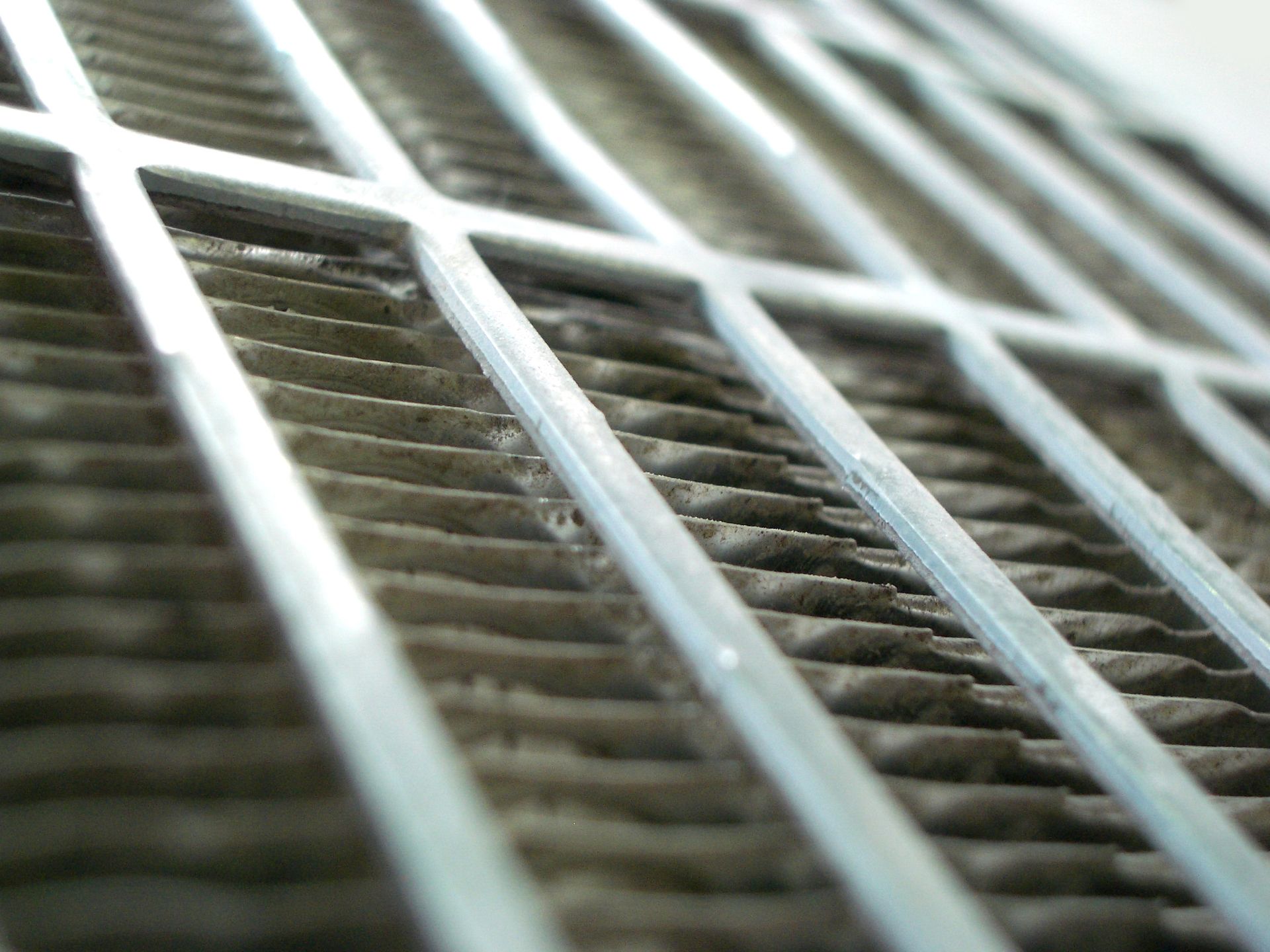
A well-maintained system makes the most of every cycle it runs, cooling your home quickly and efficiently so the fans have cooler air to circulate in the first place. When your system is dirty, low on refrigerant, or running with a struggling blower, it takes longer to cool your home, and the fans have less to work with.
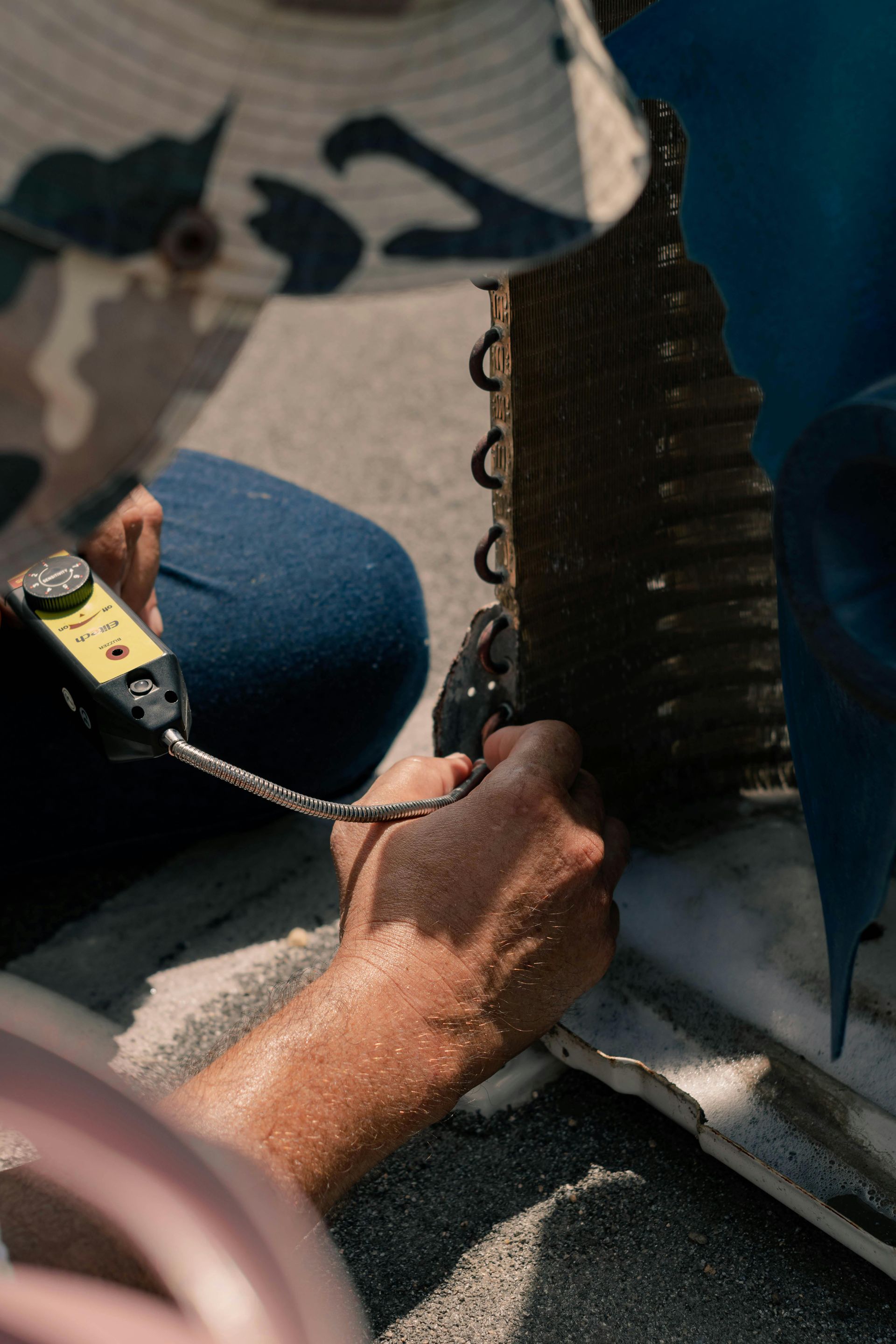
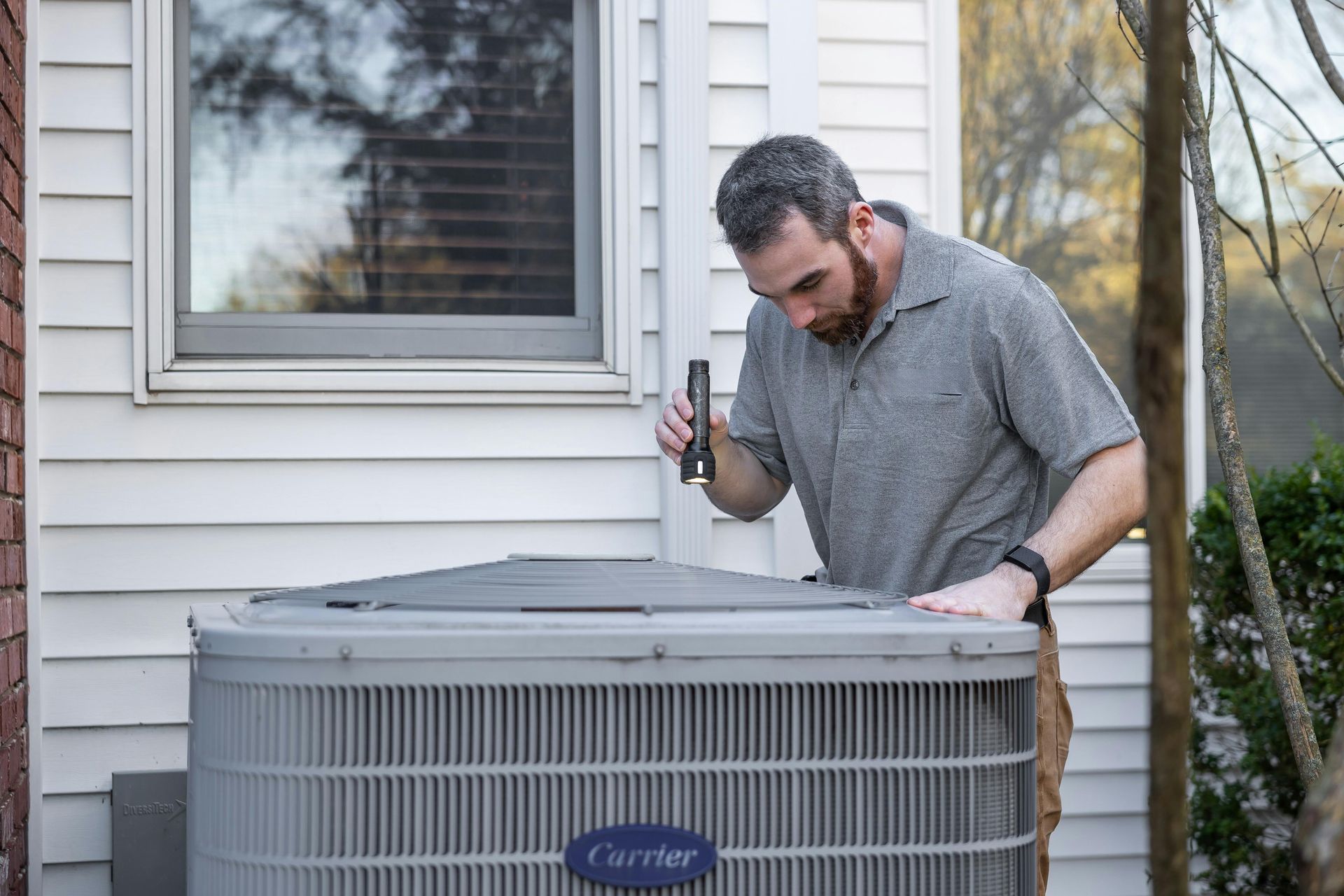
Scheduling routine maintenance at least once a year (ideally before the peak of Florida's summer heat) keeps your system ready to perform at its best. A technician will clean the coils, check refrigerant levels, inspect the blower motor, and make sure everything is operating efficiently.
Choosing the Right Fan Size Matters More Than Style
Not all ceiling fans are created equal, and putting the wrong size fan in a room limits how effective it can be. A small fan in a large room just isn't going to move enough air to make a real difference. As a general rule, rooms up to 75 square feet do well with a fan 29 to 36 inches in diameter. Medium rooms between 75 and 175 square feet need a 36 to 52-inch fan. Large rooms and open living areas benefit from fans 52 inches or larger. In very large spaces, two smaller fans often work better than one oversized one.
Mounting height also plays a role. Ceiling fans work best when the blades are about 8 to 9 feet from the floor. If your ceilings are higher, you may need a fan with a downrod extension to bring the blades to the right height. Too high and the airflow doesn't reach the people in the room effectively. Too low and it becomes a safety issue.
Work Smarter With What You Already Have
Ceiling fans are one of the most underused tools in home comfort. When you pair them properly with your air conditioning, you get a cooler-feeling home, lower energy bills, and a system that lasts longer because it's not running flat out all day. It's a simple shift in how you manage your home, and the payoff starts immediately.
If you're in Holiday, FL, and want to make sure your air conditioning system is in the best shape to work alongside your ceiling fans, Ordine's Air Conditioning and Heating is here to help. From routine AC maintenance to full system evaluations, our team keeps your home running efficiently year-round. Contact us today and let's build a comfort strategy that actually works.
Fred Ordine, Owner
Florida-certified HVAC contractor (CAC1821753) with 30+ years and three generations of HVAC experience across Tampa Bay. About Ordine's