
Why Your AC Freezes Up and How to Prevent It
Low Airflow Creates Fast Freeze Problems
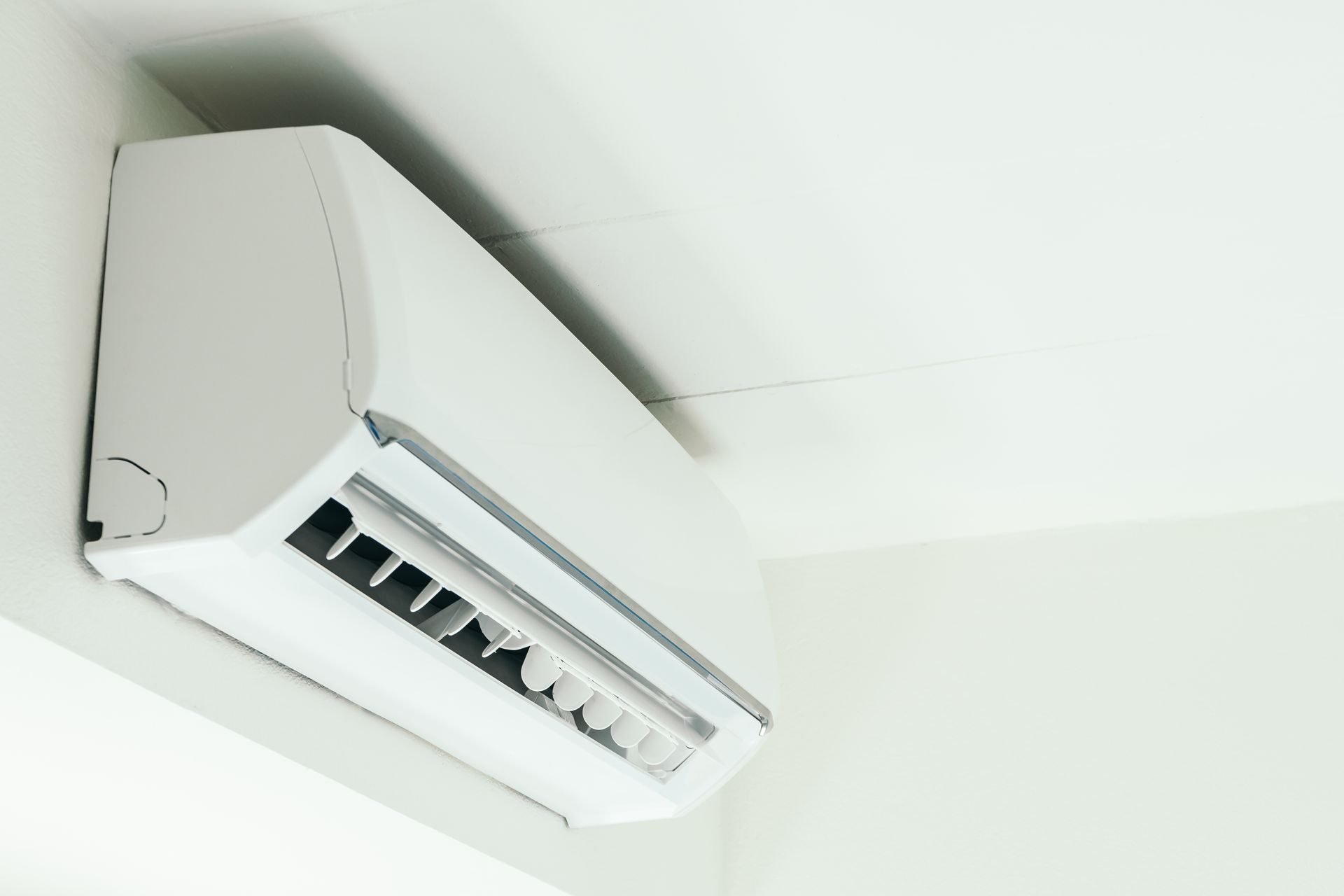
One of the most common reasons an air conditioning system freezes is weak airflow. When your system can’t pull in enough warm air, moisture on the evaporator coil gets too cold and freezes. It starts small but usually spreads quickly. This can force your AC to shut down right when you need it most. Understanding airflow problems helps you catch issues early before the ice builds up.
Airflow issues often point to problems this simple: dirty air filters, blocked vents, or an undersized return duct. When warm air can’t reach the evaporator coil, it loses the balance it needs to stay frost-free. Regular AC maintenance makes a big difference here and can prevent these issues from sneaking up on you. If you’re unsure where the airflow problem is coming from, calling a trusted HVAC contractor is the best next step.
Low Refrigerant Makes Coils Freeze
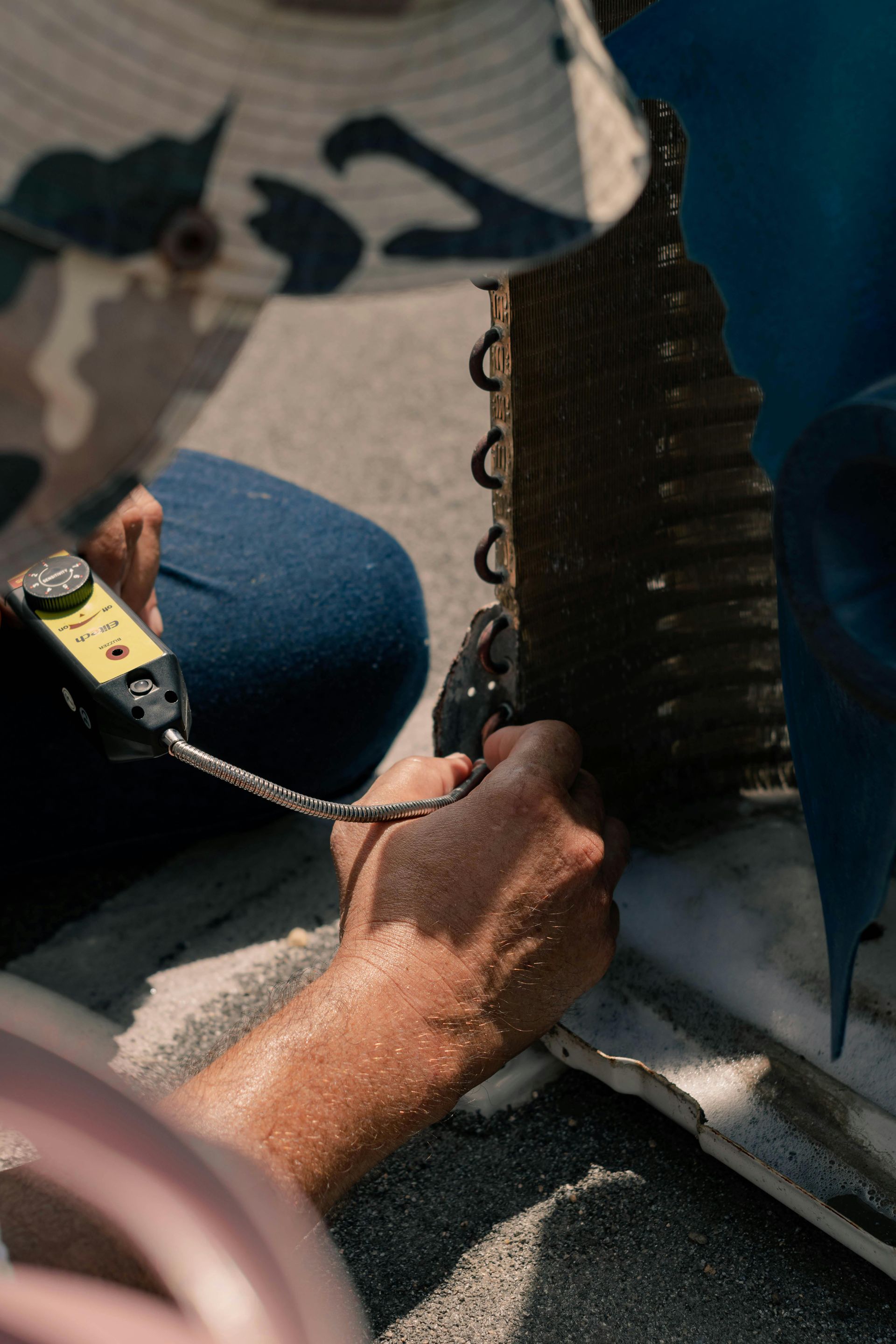
When refrigerant levels drop, the pressure inside your AC changes. This causes the evaporator coil to get too cold and freeze. Homeowners usually notice reduced cooling or warm air coming from their vents before the freeze becomes visible. If the issue continues, your AC may shut down entirely. This type of problem requires professional attention every time, because refrigerant work isn’t DIY. Here are the typical signs that low refrigerant may cause your freeze-up:
- AC runs constantly but never cools the home fully
- Hissing or bubbling noises near the refrigerant lines
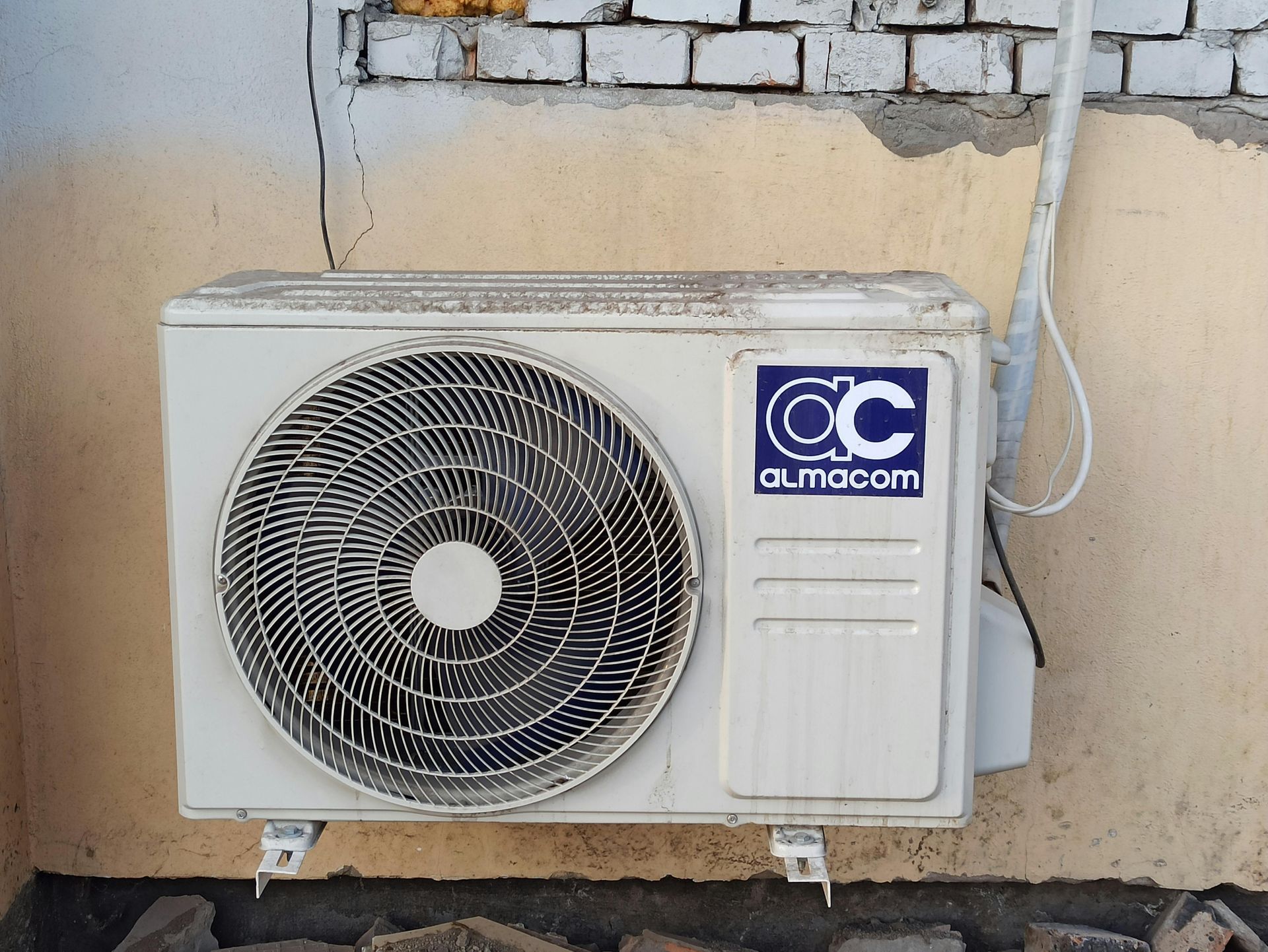
- Ice forming on the copper pipes outside
- Higher-than-normal energy bills
These signs never go away on their own. A certified AC contractor can locate the leak, repair it, and recharge the system properly.
Dirty Coils Cause Ice Buildup
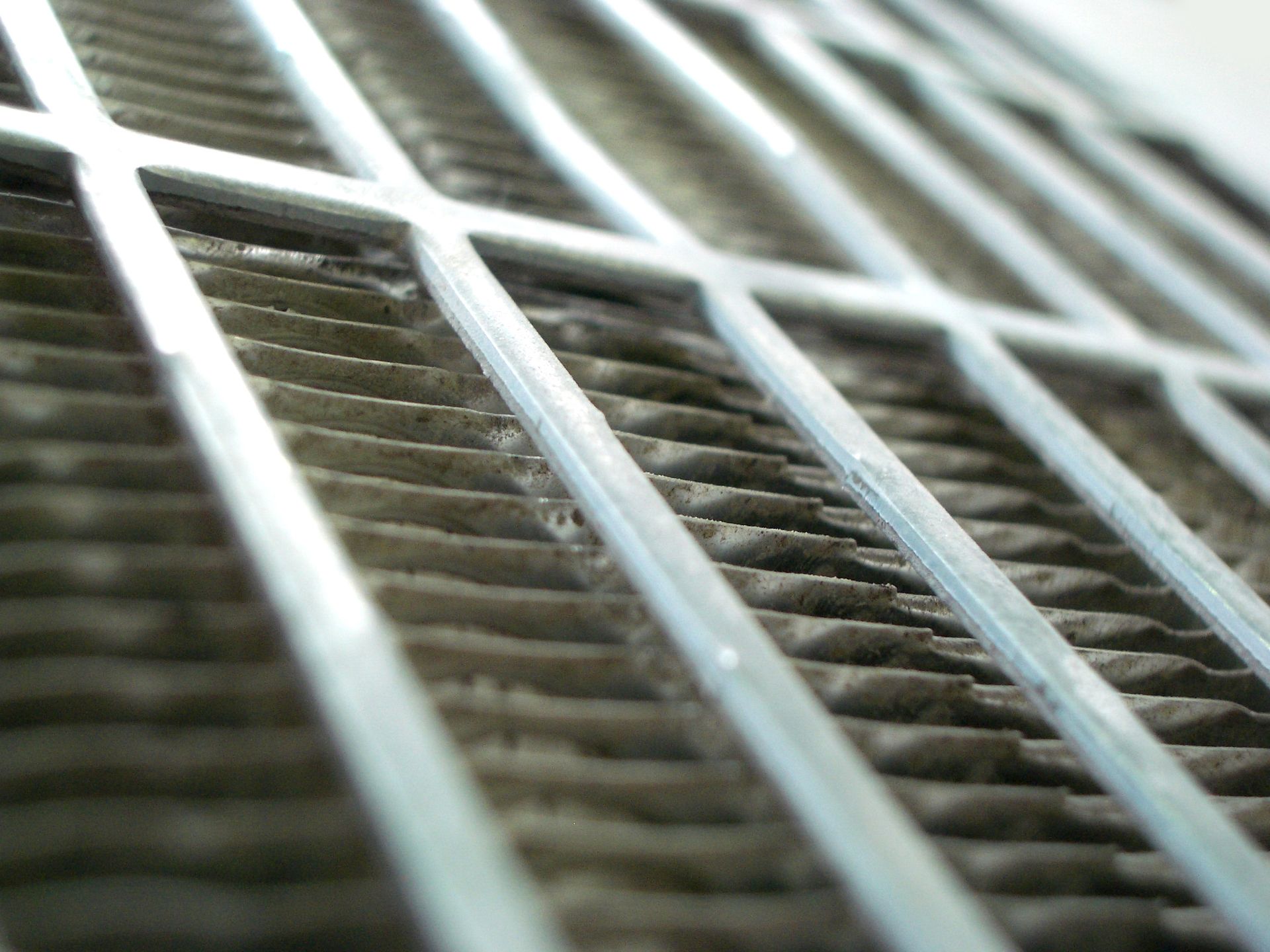
When the evaporator coil gets covered in dust, grime, or mildew, heat transfer slows down. The coil becomes too cold and freezes. Most homeowners don’t realize how fast dirt collects on coils, especially in humid areas or homes with indoor pets. Routine HVAC maintenance is the easiest way to avoid this. When coils stay clean, your AC doesn’t work as hard, and it stays frost-free.
Dirty coils also affect your indoor air quality. Dust buildup on the coil means particles are being recirculated through your home. That leads to hot and cold spots, increased allergies, and poor cooling performance.
Mechanical Issues Lead To Frozen Systems
Sometimes the cause of a frozen AC system is a worn-out component. Faulty blower motors, failing fans, or damaged wiring can all interrupt airflow and cooling cycles. When that balance breaks, ice follows. Many of these parts wear down slowly, so small symptoms appear long before the actual freeze. Catching these early signs helps avoid emergency breakdowns later.
Mechanical problems often require professional AC repair since electrical and motor components can be hazardous to work on. A trained HVAC contractor can locate the failing part, replace it, and test the system safely.
HVAC Maintenance Prevents Freeze-Ups
Routine AC maintenance is the simplest way to stop ice from forming. A technician can spot issues long before they turn into major problems. They’ll check airflow, refrigerant levels, electrical components, and coil cleanliness. This helps your system run more efficiently and reduces the risk of sudden breakdowns.
Keeping up with maintenance is especially important if you rely heavily on your cooling system. Homes in hot climates, those with older systems, or homes with pets may need more frequent tune-ups. If needed, you can also schedule emergency AC or HVAC repair when problems happen at unexpected times.
Wrap Up And Next Steps
A frozen air conditioner is almost always a symptom of a bigger problem. From airflow issues to low refrigerant or dirty coils, the source needs to be fixed before your AC can cool properly again. If your system freezes up or shows signs of trouble, Ordine’s Air Conditioning & Heating is here to help. Contact us today for expert AC repair, AC installation, or HVAC installation and keep your home cool and comfortable all season long.
Fred Ordine, Owner
Florida-certified HVAC contractor (CAC1821753) with 30+ years and three generations of HVAC experience across Tampa Bay. About Ordine's