
Why Some Rooms Are Hotter or Colder Than Others
Airflow Imbalances Throughout the Home
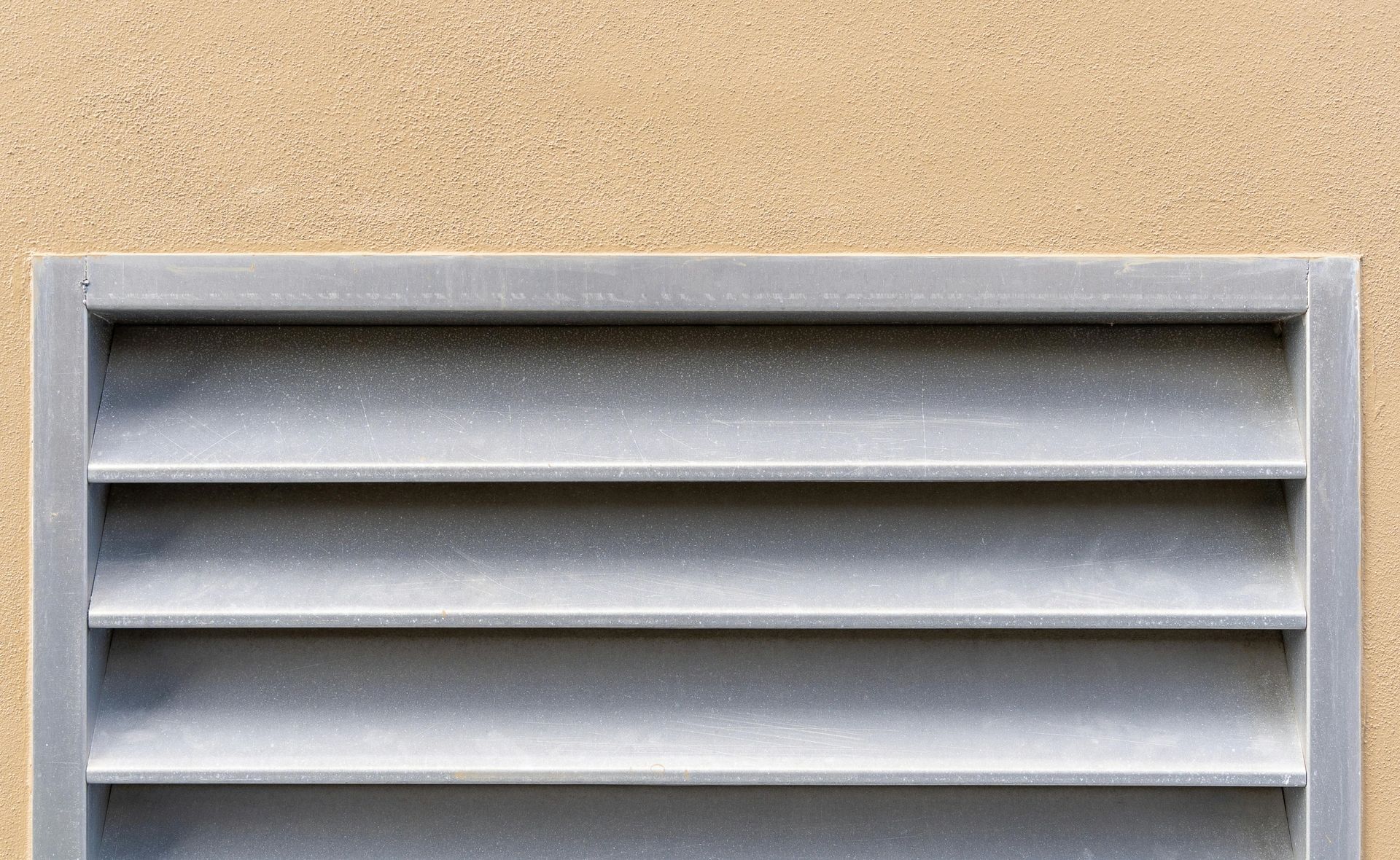
Airflow is one of the most common reasons for uneven temperatures. Your HVAC system relies on ductwork to deliver conditioned air evenly, but when airflow is restricted or unbalanced, some rooms receive less cooling than others. Blocked vents, closed registers, or damaged ductwork can all reduce airflow. Even furniture placement can interfere with air circulation. When air cannot move freely, certain rooms will naturally feel warmer or colder depending on their position in the home.
Ductwork Design and Condition
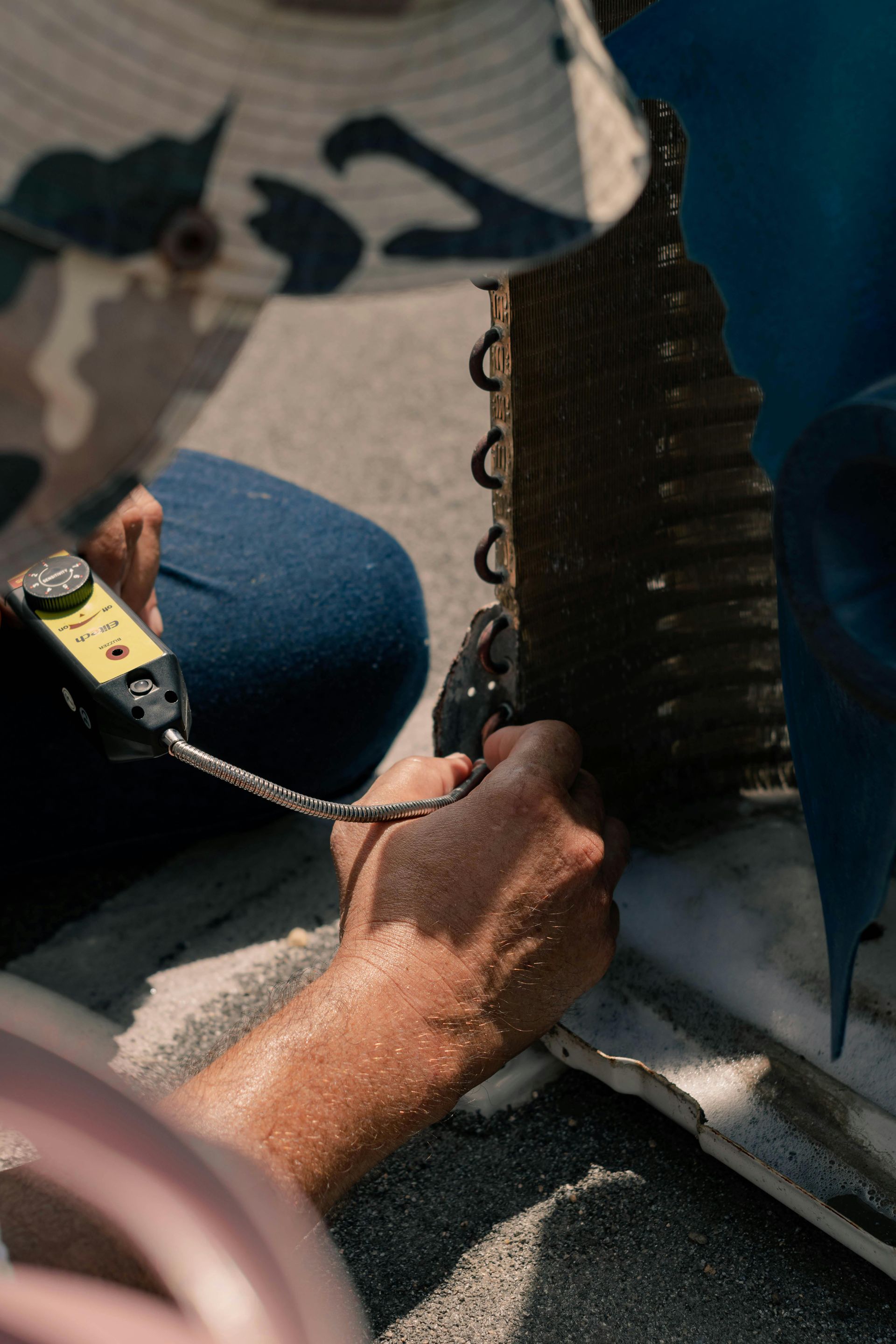
The design and condition of your ductwork play a major role in temperature balance. Homes with long duct runs, sharp bends, or undersized ducts often struggle to distribute air evenly. Over time, ducts may also develop leaks that allow cooled air to escape before it reaches certain rooms. In Holiday, FL, attic ductwork is especially vulnerable to heat gain. Poorly insulated ducts can absorb attic heat, causing air to warm up before reaching distant rooms. Professional duct inspection and repair can often correct these issues and improve overall comfort.
Insulation and Heat Gain Differences
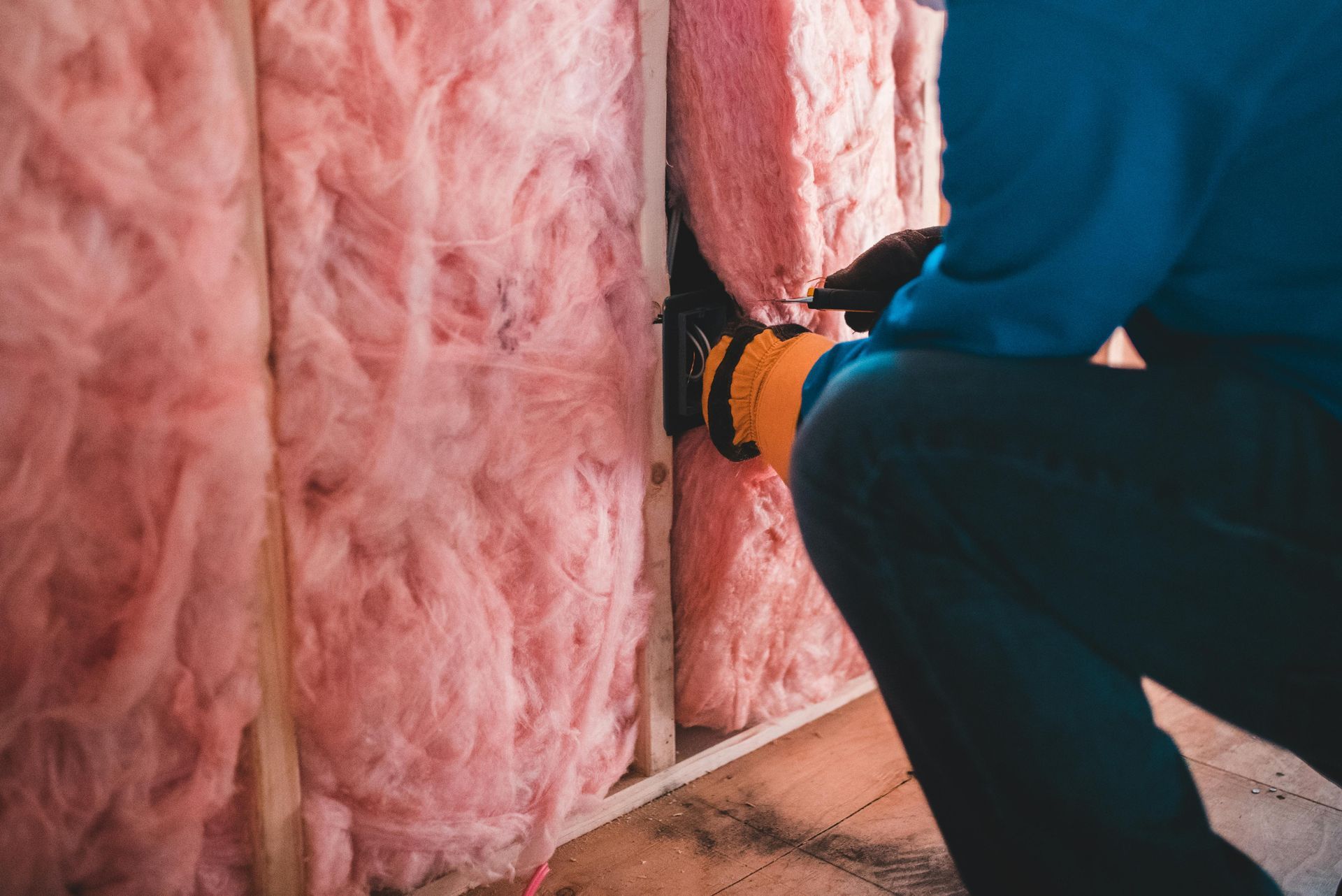
Not all rooms lose or gain heat at the same rate. Rooms with large windows, west-facing walls, or minimal insulation tend to heat up faster, while shaded or interior rooms stay cooler. Poor insulation allows outdoor heat to enter, forcing your HVAC system to work harder. Even with a properly functioning air conditioner, rooms with insulation deficiencies may never reach the desired temperature. Insulation improvements can significantly reduce temperature swings and improve energy efficiency.
System Size and Design Limitations
An HVAC system that is improperly sized can also cause uneven temperatures. Systems that are too large cool the home too quickly and shut off before air circulates evenly. Systems that are too small struggle to keep up, especially in rooms farthest from the air handler.
Proper HVAC installation includes load calculations that account for square footage, layout, insulation, and sun exposure. Without correct sizing, achieving consistent comfort becomes difficult regardless of thermostat settings.
Thermostat Placement and Control Issues
Thermostat location influences how your system operates. If the thermostat is placed in a cooler area of the home, it may shut the system off before warmer rooms reach the desired temperature.
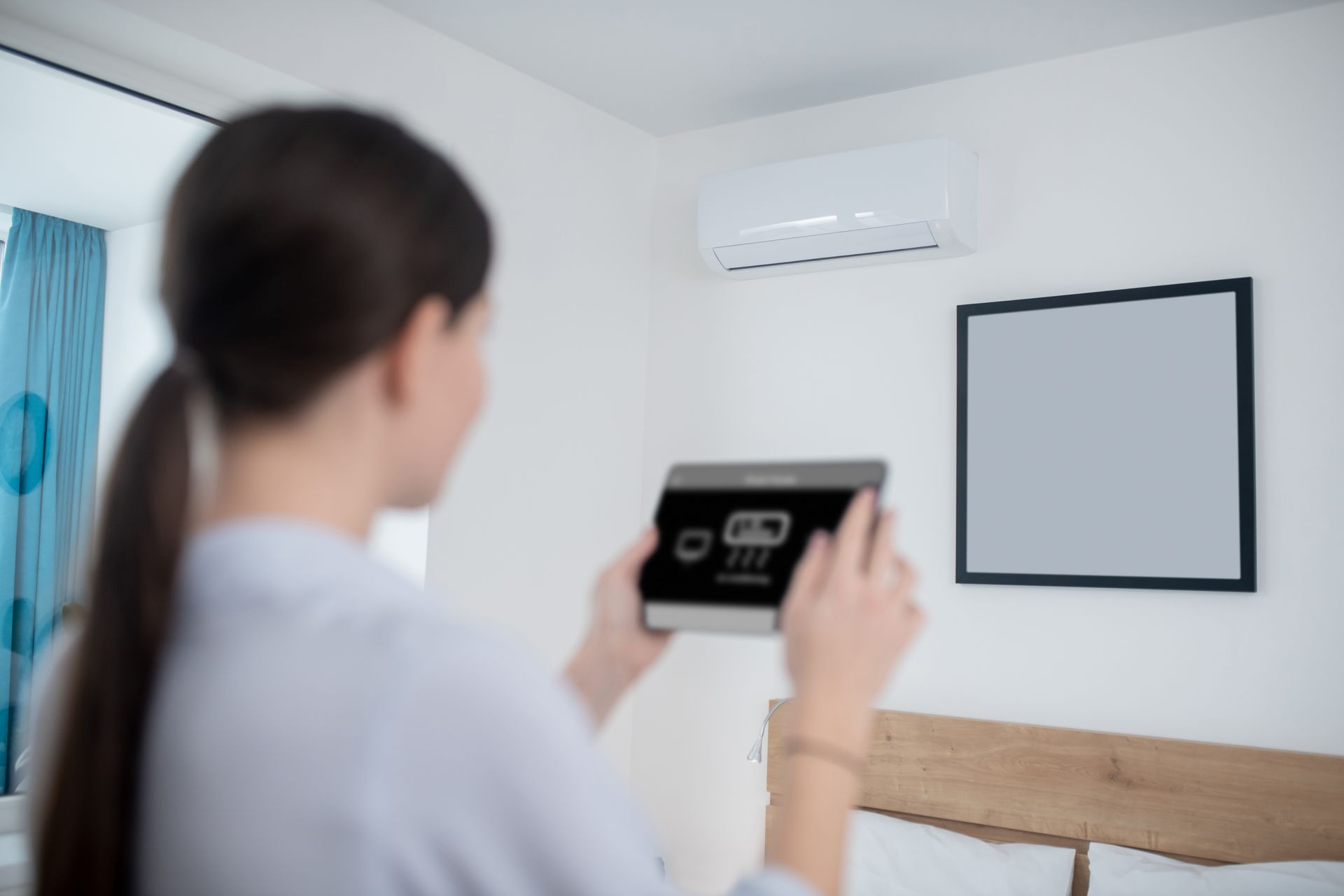
In homes with a single thermostat, this imbalance is common. The system responds only to the temperature at the thermostat location, not the conditions in every room. In some cases, thermostat relocation or system adjustments can improve comfort distribution.
Maintenance Issues That Affect Temperature Balance
Lack of regular HVAC maintenance can worsen temperature inconsistencies over time. Dirty air filters, clogged coils, and worn components reduce airflow and system efficiency, making it harder to cool certain areas. Routine AC maintenance helps keep airflow balanced and ensures the system operates at peak performance. Systems that are overdue for service often show uneven cooling as one of the earliest warning signs.
Aging HVAC Equipment
As HVAC systems age, they lose efficiency and performance. Older systems may struggle to maintain consistent temperatures, especially during extreme heat.
Wear on motors, fans, and compressors can reduce the system’s ability to circulate air evenly. In some cases, ongoing AC repair can restore performance, but aging equipment may eventually require replacement to resolve persistent comfort issues.
How Zoning Can Improve Comfort
For homes with ongoing temperature differences, zoning may offer a solution. Zoned HVAC systems divide the home into separate areas, each with independent temperature control. Zoning allows:
- Targeted cooling where it’s needed most
- Reduced energy waste in unused areas
- Improved comfort in rooms with high heat gain
While not every home is a candidate, zoning is often effective for larger homes or properties with layout challenges.
Indoor Air Quality and Air Circulation
Poor air circulation doesn’t just affect temperature—it also impacts indoor air quality. Stagnant air, humidity buildup, and dust accumulation are more common in rooms with weak airflow. Improving airflow through duct cleaning and adjustments, maintenance, or system upgrades often improves both comfort and air quality at the same time.
When Uneven Temperatures Signal a Bigger Problem
Occasional temperature differences are normal, but persistent or worsening imbalance may indicate a more serious HVAC issue. If some rooms never cool properly despite constant system operation, professional evaluation is recommended. Addressing the root cause early can prevent excessive energy use, system strain, and unexpected breakdowns that lead to emergency service calls.
Balancing Comfort the Right Way
Uneven temperatures don’t have to be something you simply live with. Most comfort imbalances can be corrected through proper inspection, maintenance, and system adjustments. A professional HVAC contractor can evaluate airflow, ductwork, insulation, and system performance to identify the exact cause of temperature differences—without guesswork.
Get Help Restoring Even Comfort in Your Home
If some rooms in your home are consistently hotter or colder than others, your HVAC system may not be distributing air as effectively as it should.
Ignoring the issue often leads to higher energy bills and increased system wear. Instead of constantly
adjusting the thermostat, get expert help.
Contact Ordine’s Air Conditioning & Heating to schedule a comfort evaluation. Our team helps homeowners in Holiday, FL identify airflow and system issues, improve temperature balance, and restore consistent comfort throughout the home.
Fred Ordine, Owner
Florida-certified HVAC contractor (CAC1821753) with 30+ years and three generations of HVAC experience across Tampa Bay. About Ordine's