
How Long Does an HVAC System Last?
Average Lifespan of HVAC Systems
Most HVAC systems are designed to last between 10 and 20 years, but this range can vary significantly depending on system type and care. Air conditioning systems and heat pumps typically fall on the lower end of that range, while furnaces and some commercial systems may last longer with proper maintenance.
In Florida’s climate, air conditioning components experience more wear than in cooler regions. Systems in Holiday, FL often operate for extended periods throughout the year, which naturally shortens lifespan if maintenance is neglected.
Why Climate Plays a Major Role
Climate has a direct impact on HVAC longevity. In warm, humid areas, air conditioning systems work harder and more often, increasing stress on compressors, motors, and electrical components. Humidity also contributes to corrosion, moisture buildup, and drainage issues that can affect system performance.
High usage doesn’t mean your system is doomed to fail early—but it does mean proactive care is essential. Systems that receive regular HVAC maintenance are far more likely to reach or exceed their expected lifespan, even under heavy demand.
Installation Quality Matters More Than You Think
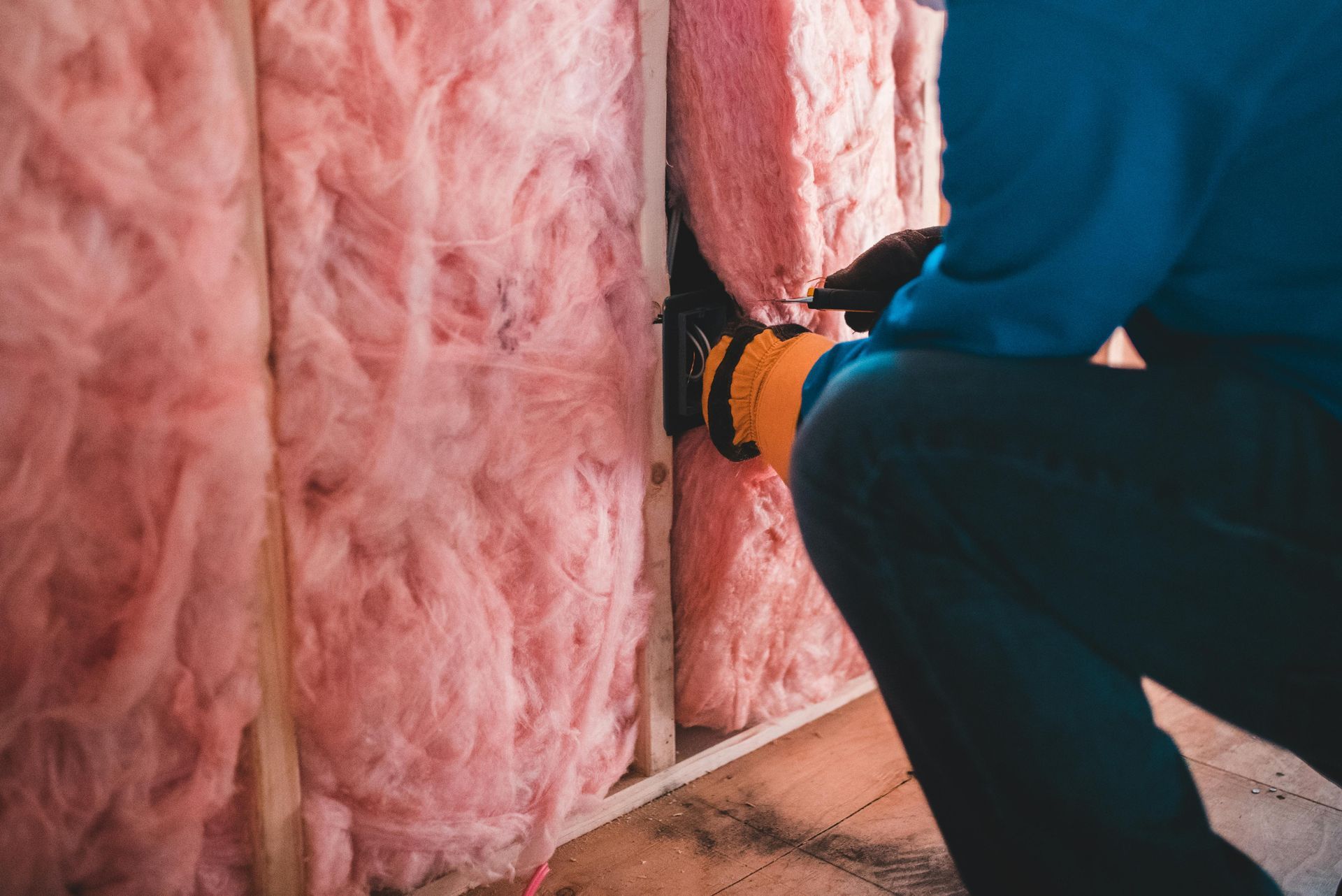
One of the most overlooked factors in HVAC lifespan is installation quality. A system that is improperly sized or poorly installed may struggle from day one.
Common installation-related issues include:
- Systems that are too large or too small for the space
- Poor airflow due to ductwork problems
- Improper refrigerant charging or electrical setup
These problems force the system to work harder than necessary, accelerating wear. Working with an experienced HVAC contractor during HVAC installation helps ensure the system starts its life operating efficiently.
Maintenance Is the Biggest Lifespan Factor
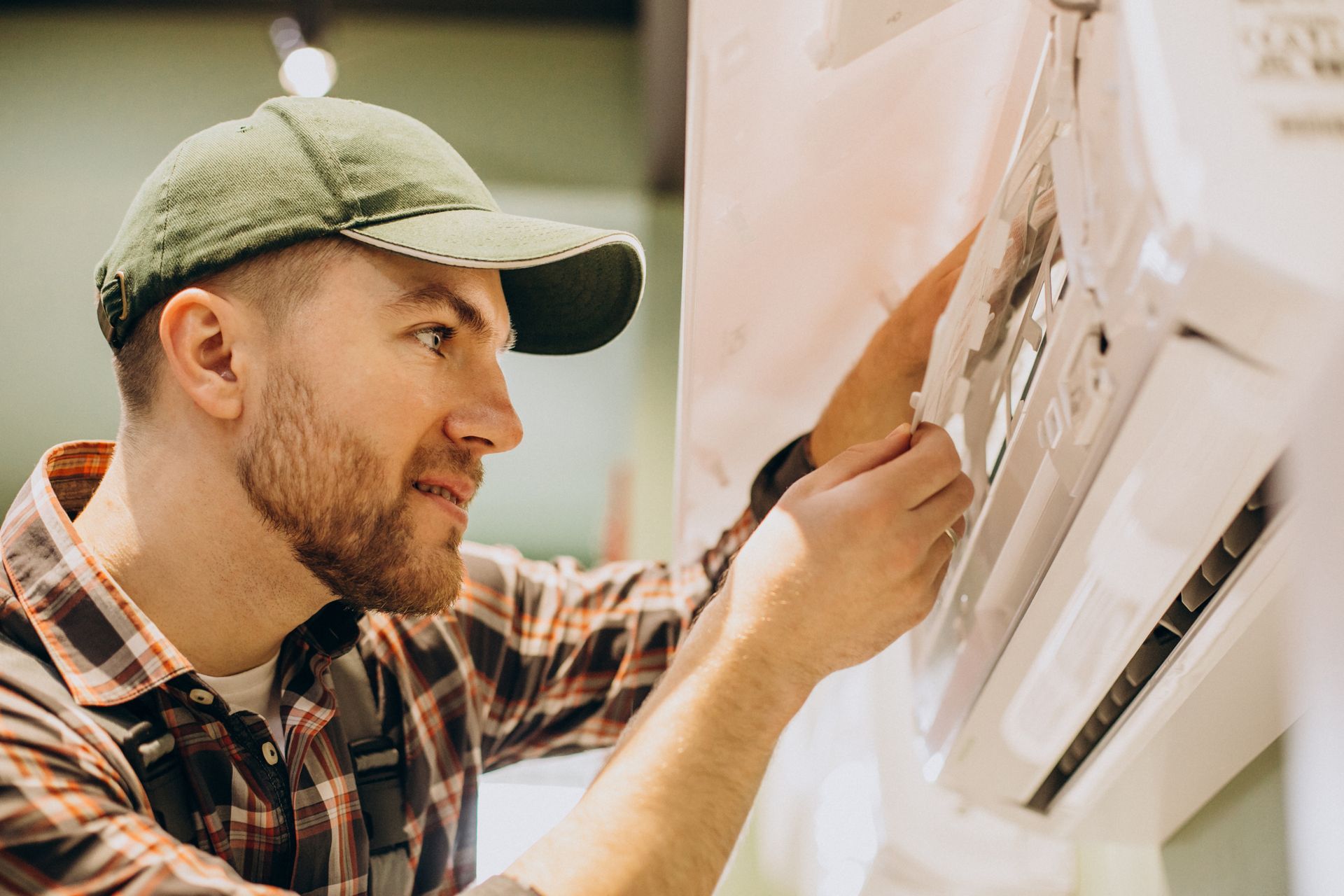
Routine maintenance is the single most important factor in determining how long an HVAC system lasts. Systems that receive regular AC maintenance experience fewer breakdowns, better efficiency, and less component stress. Maintenance helps by:
- Keeping airflow unrestricted
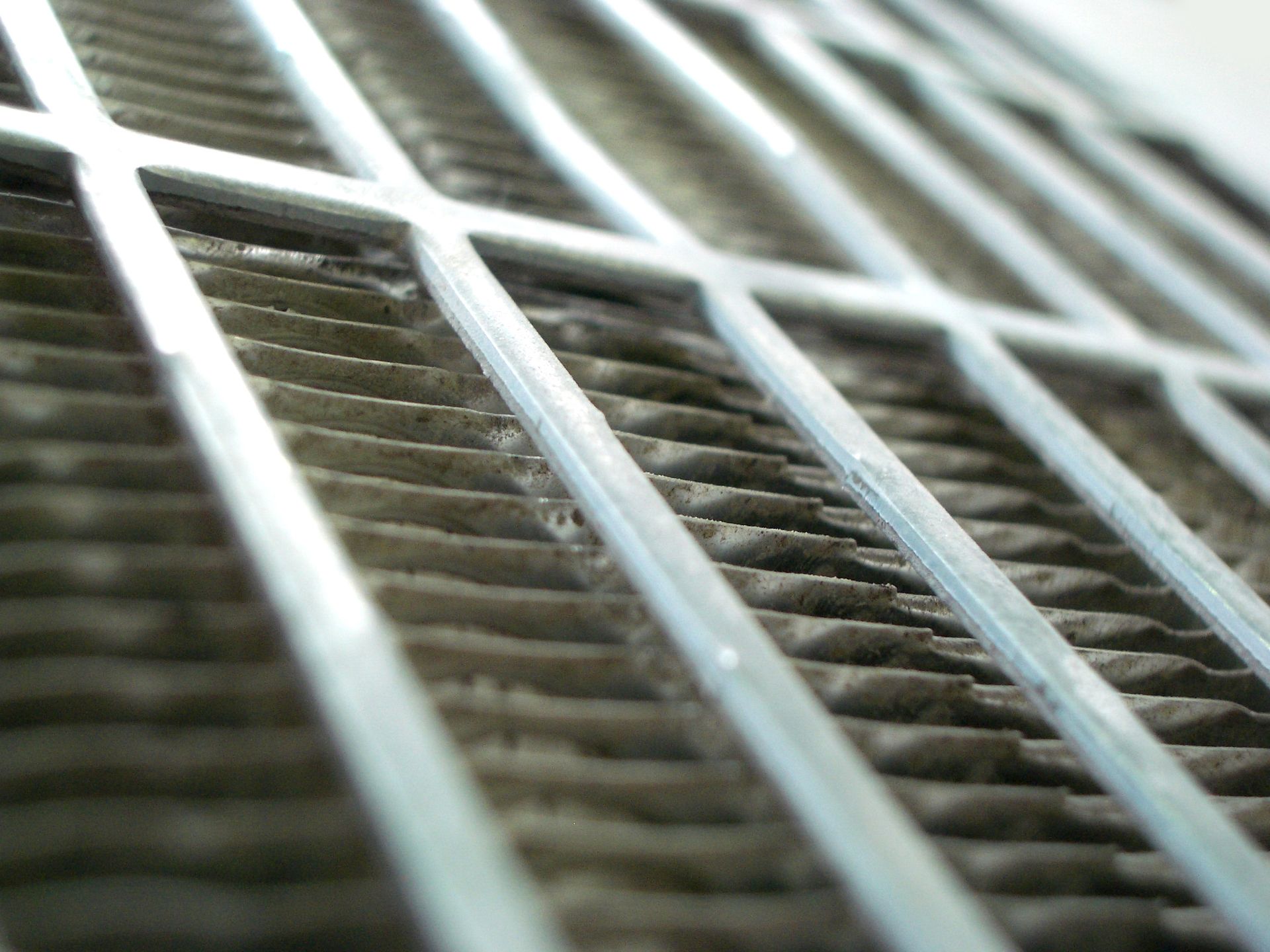
- Preventing dirt buildup on coils and components
- Catching small issues before they cause major damage
Skipping maintenance often leads to premature failures that require frequent AC repair—or complete replacement sooner than expected.
How Repairs Affect System Longevity
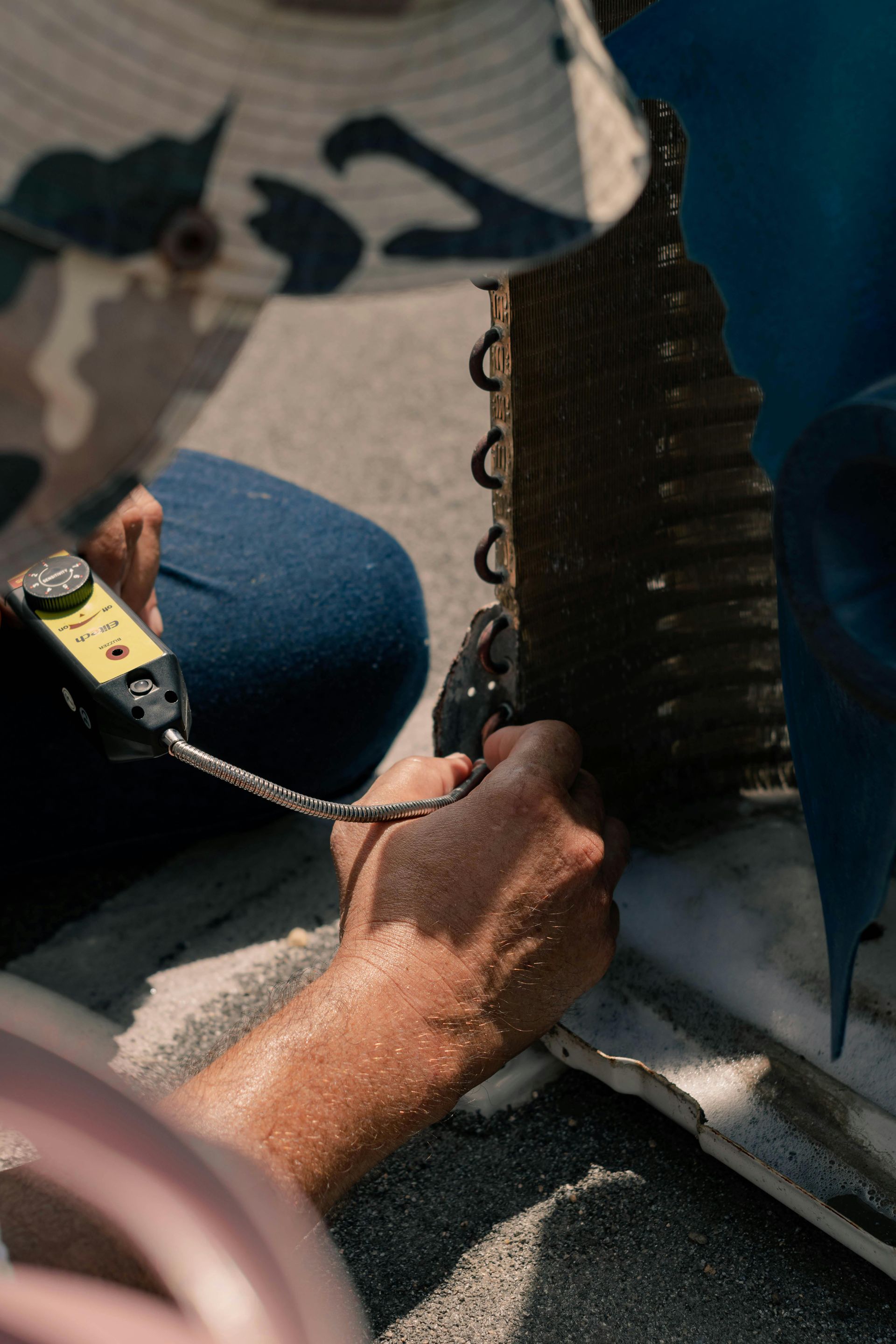
Needing an occasional repair does not mean your HVAC system is nearing the end of its life. In fact, timely AC repair often extends system lifespan by restoring proper operation.
However, repeated repairs over a short period may indicate deeper problems. When repair costs increase and system performance continues to decline, replacement may become the more practical long-term solution. A trusted AC contractor can help evaluate whether repairs are still worthwhile.
Warning Signs Your HVAC System Is Aging
As HVAC systems age, they often show signs that replacement may be approaching. These symptoms don’t always mean immediate failure, but they do signal declining efficiency and reliability. Common warning signs include:
- Rising energy bills without increased usage
- Inconsistent temperatures or airflow
- Frequent repair calls
- Unusual noises or odors
If these issues become more frequent, it may be time to discuss long-term options with an HVAC professional.
Indoor Air Quality and Aging Systems
Older HVAC systems often struggle to maintain good indoor air quality. Worn components, outdated filtration, and poor humidity control can contribute to dust, allergens, and discomfort. As systems age, they may:
- Circulate more airborne particles
- Allow excess humidity to build up
- Provide uneven filtration
In some cases, addressing indoor air quality concerns is a key reason homeowners choose to upgrade rather than continue repairing an aging system.
Residential vs. Commercial HVAC Lifespan
Residential HVAC systems typically experience different usage patterns than commercial HVAC systems. Homes often cycle systems on and off, while businesses may run systems continuously. Commercial systems may:
- Last longer due to heavier-duty components
- Require more frequent maintenance
- Experience higher repair costs if neglected
In both cases, professional service and preventive care play a major role in maximizing lifespan.
Emergency Repairs and System Stress
Emergency breakdowns are hard on HVAC systems. Sudden failures often involve significant component stress, especially during peak demand periods. Systems that frequently require emergency AC or HVAC repair are often nearing the end of their usable life. While emergency service restores comfort quickly, repeated emergencies usually indicate it’s time to consider replacement.
Extending the Life of Your HVAC System
While you can’t stop aging entirely, you can significantly extend your HVAC system’s lifespan with proactive care. Key steps include:
- Scheduling regular HVAC maintenance
- Replacing air filters consistently
- Addressing repairs promptly
- Monitoring system performance over time
These habits reduce strain and help systems operate efficiently year after year.
When Replacement Makes Sense
Replacing an HVAC system is a major decision, but it’s often the right move when reliability, efficiency, and comfort decline significantly. Newer systems offer improved energy efficiency, better humidity control, and quieter operation. Replacement is often recommended when:
- The system is near or past its expected lifespan
- Repair costs continue to rise
- Energy efficiency has dropped noticeably
A professional HVAC contractor can help you compare repair versus replacement based on your system’s condition.
Planning Ahead Prevents Surprises
Understanding how long HVAC systems last allows you to plan financially and avoid sudden failures. Preparing for eventual replacement reduces stress and helps you make decisions on your timeline—not during an emergency. Regular evaluations and maintenance give you a clear picture of system health and expected remaining lifespan.
Talk to a Trusted HVAC Contractor in Holiday, FL
If you’re wondering how much life your HVAC system has left—or whether it’s time to plan for replacement—expert guidance makes all the difference. Evaluating system condition early helps you avoid unexpected breakdowns and costly emergency repairs.
Contact Ordine’s Air Conditioning & Heating to schedule a system inspection or maintenance visit. Our team helps homeowners and businesses in Holiday, FL understand their HVAC system’s lifespan, plan proactively, and stay comfortable with confidence.
Fred Ordine, Owner
Florida-certified HVAC contractor (CAC1821753) with 30+ years and three generations of HVAC experience across Tampa Bay. About Ordine's