
A Pre-Season Checklist for Getting Your AC Ready for Summer
Why Pre-Season AC Preparation Matters
Your air conditioning system works harder during summer than any other time of year. If components are dirty, worn, or out of adjustment, the system may struggle to keep up. Pre-season preparation helps:
- Prevent unexpected AC failures
- Improve cooling performance and airflow
- Reduce energy bills during peak usage
- Extend the lifespan of HVAC equipment
- Improve indoor air quality
Getting ahead of potential problems is far more cost-effective than dealing with a breakdown during extreme heat.
Replace or Clean Air Filters
Air filters play a critical role in both system performance and indoor air quality. Dirty filters restrict airflow, forcing your AC to work harder while allowing dust and allergens to circulate. Before summer:
- Replace disposable filters or clean reusable ones
- Check filters monthly during peak cooling season
- Choose the right filter type for your system and needs
This simple step supports better airflow, improved air quality, and lower energy consumption.
Check Thermostat Operation
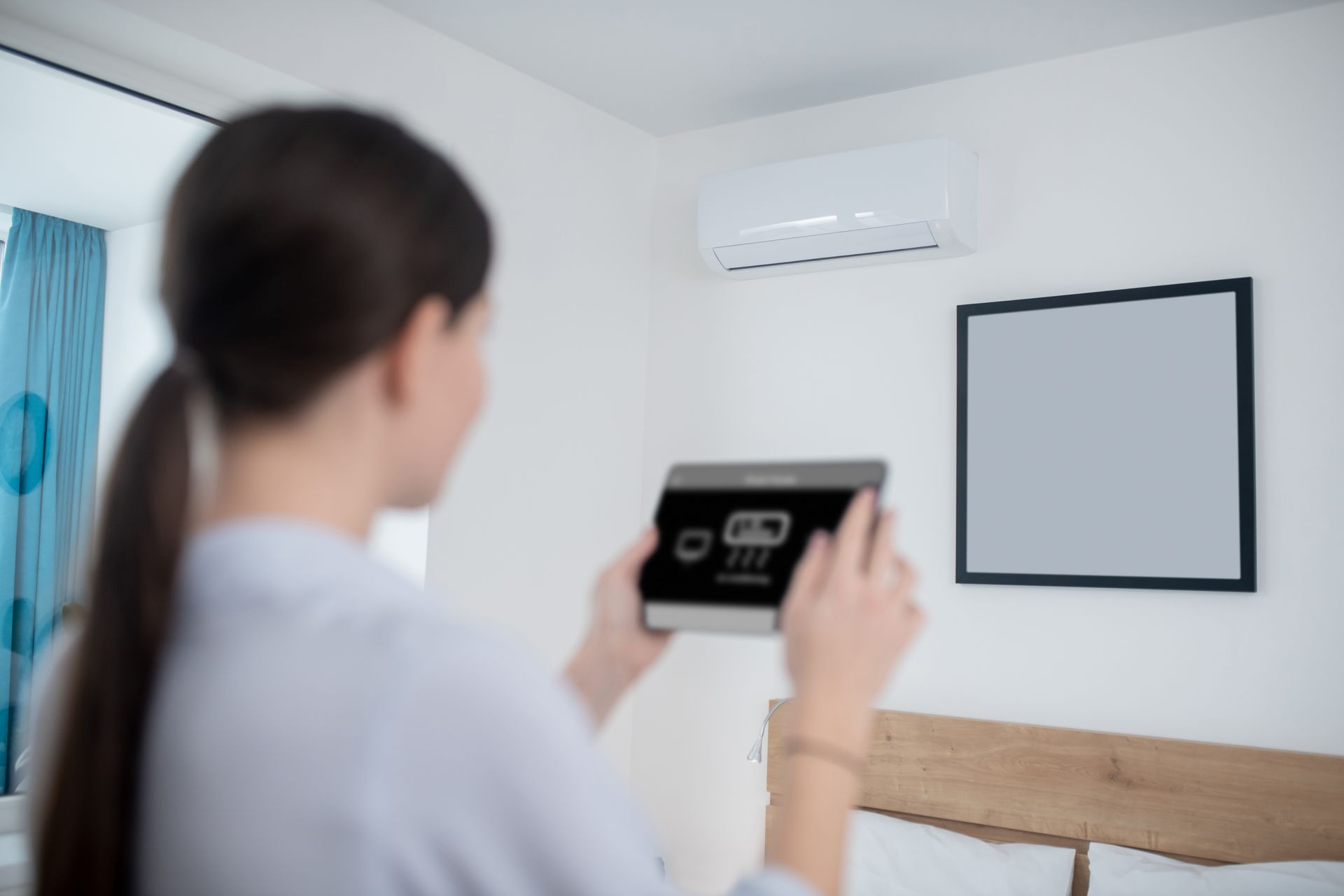
Your thermostat controls when and how your AC operates. If it’s inaccurate or malfunctioning, your system may run inefficiently or fail to cool properly. Pre-season thermostat checks should include:
- Verifying temperature accuracy
- Ensuring the system responds correctly to settings
- Checking batteries or power supply
- Reviewing programming or schedules
Upgrading thermostats can also improve comfort and efficiency, especially when paired with modern HVAC equipment.
Inspect Outdoor Condenser Unit
The outdoor unit is exposed to the elements year-round. Leaves, dirt, and debris can accumulate around the condenser, reducing airflow and heat transfer. Before summer:
- Clear debris from around the unit
- Ensure at least two feet of clearance on all sides
- Check for visible damage or corrosion
- Make sure the unit is level
Restricted airflow around the condenser can significantly reduce cooling performance and increase wear on the system.
Examine Refrigerant Lines and Connections
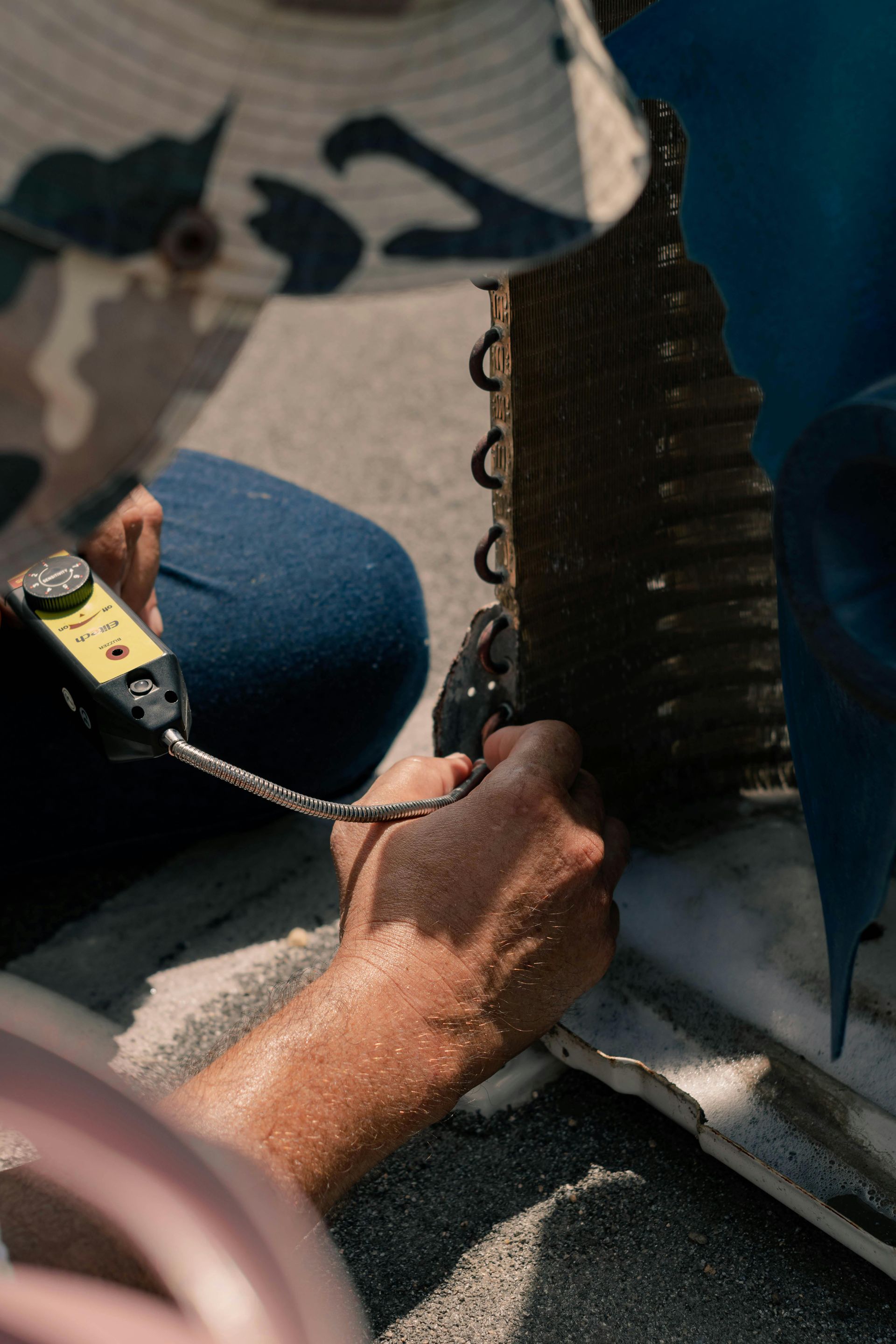
Refrigerant is essential for cooling, and any issues with refrigerant levels or lines can affect system performance. Signs of potential refrigerant problems include:
- Warm air from vents
- Ice buildup on coils or lines
- Hissing or bubbling noises
Refrigerant issues require professional AC repair. Never attempt to handle refrigerant yourself—this should always be addressed by a licensed HVAC contractor.
Clean and Inspect Evaporator and Condenser Coils
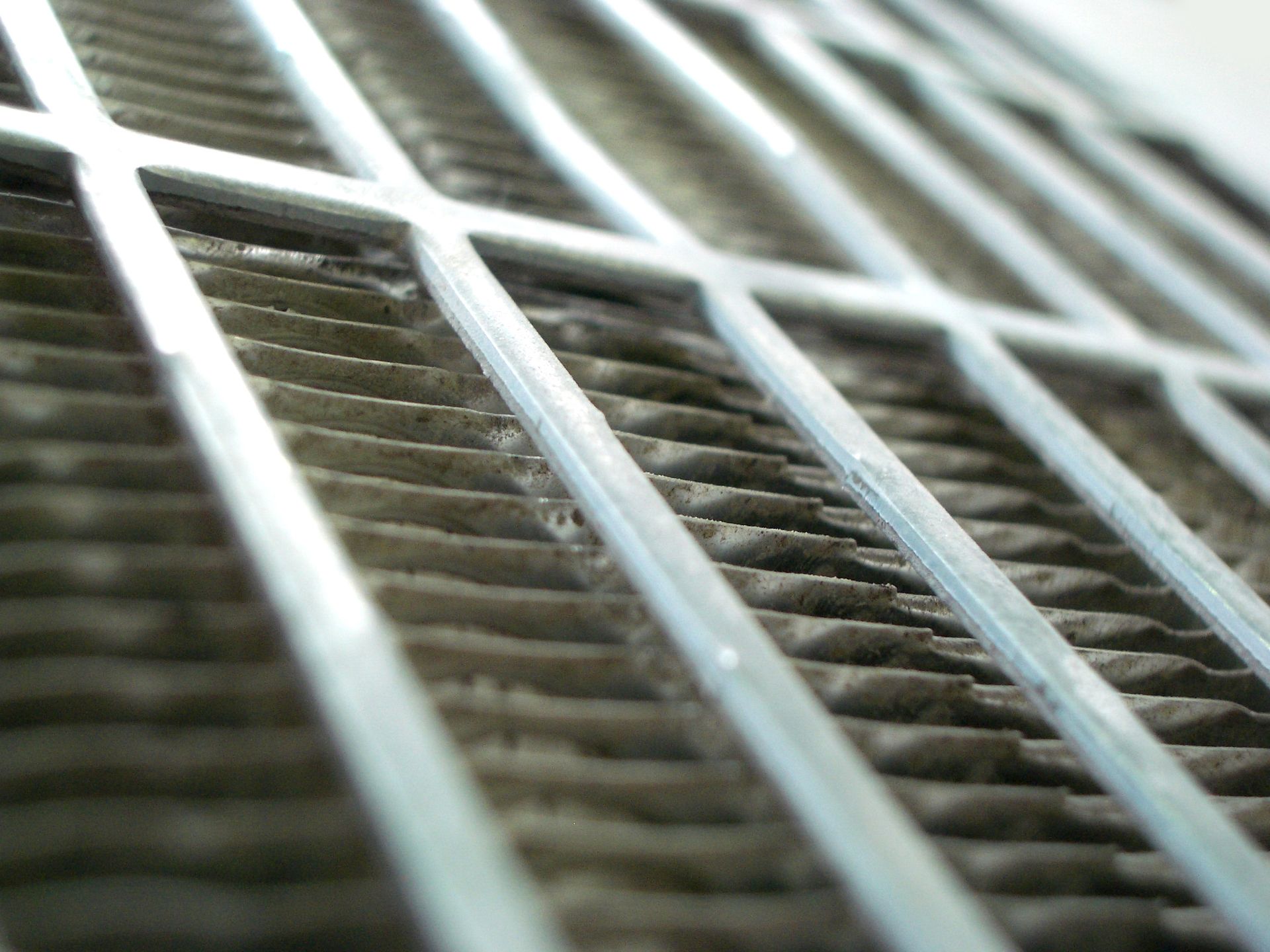
Coils are responsible for absorbing and releasing heat. When they become dirty, heat transfer is reduced and efficiency drops. Professional AC tune ups typically include:
- Cleaning evaporator coils
- Cleaning condenser coils
- Inspecting for corrosion or damage
Clean coils help your system cool more effectively while using less energy.
Check Drain Lines and Condensate System
Your AC system removes moisture from the air, which drains away through a condensate line. If this line becomes clogged, water can back up and cause damage. Pre-season checks should ensure:
- Drain lines are clear and flowing
- Drain pans are clean and intact
- No signs of leaks or overflow
Clogged drain lines are a common cause of water damage and system shutdowns during summer.
Inspect Ductwork for Leaks and Blockages
Ductwork distributes cooled air throughout your home. Leaks or blockages reduce efficiency and lead to uneven cooling. Signs of duct issues include:
- Weak airflow in certain rooms
- Hot or cold spots
- Excess dust from vents
Ductwork inspection and duct cleaning can improve airflow, comfort, and indoor air quality before summer begins.
Evaluate Insulation and Air Sealing
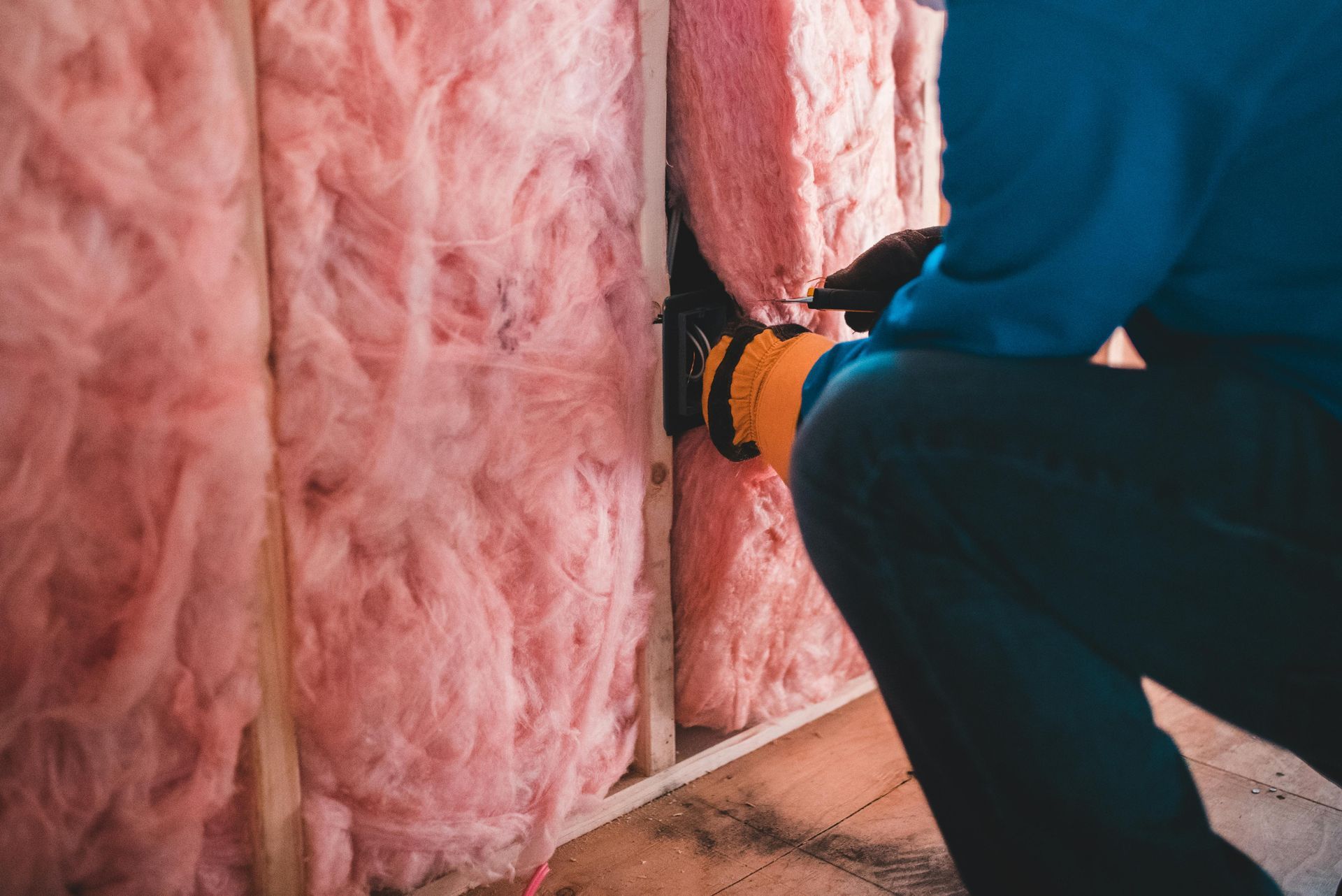
Proper insulation helps keep cool air inside your home and reduces the workload on your AC system. Poor insulation allows heat and humidity to enter, increasing energy use.
Pre-season preparation may involve:
- Checking attic and wall insulation
- Sealing gaps or leaks around vents and ducts
- Addressing insulation deficiencies
Insulation services work hand-in-hand with HVAC systems to maintain consistent indoor temperatures.
Test System Start-Up and Operation
Before summer arrives, it’s important to test your AC system under normal operating conditions. During testing, pay attention to:
- How quickly the system cools
- Airflow strength from vents
- Unusual noises or odors
- Short cycling or long run times
Any irregularities should be evaluated by a professional HVAC contractor before peak season.
Schedule a Professional AC Tune-Up
One of the most important steps on a pre-season checklist is scheduling professional service. AC tune ups allow technicians to inspect, clean, and adjust system components to ensure optimal performance. A professional tune-up typically includes:
- Electrical connection checks
- Safety control testing
- Lubrication of moving parts
- System performance evaluation
Routine HVAC maintenance significantly reduces the likelihood of mid-summer breakdowns and emergency calls.
Address Minor Repairs Before They Escalate
Small issues discovered during pre-season inspections are easier and less expensive to fix than major failures. Common minor repairs include:
- Loose electrical connections
- Worn belts or components
- Minor refrigerant adjustments
Addressing these issues early helps avoid the need for emergency AC repair during extreme heat.
Consider Indoor Air Quality Improvements
Summer often means closed windows and increased AC use, which can affect indoor air quality. Pre-season planning is a good time to:
- Upgrade air filters
- Schedule duct cleaning
- Address humidity control issues
Improving air quality helps create a healthier indoor environment while supporting HVAC efficiency.
Residential and Commercial AC Preparation
Both residential HVAC and commercial HVAC systems benefit from pre-season preparation. For businesses, reliable cooling is essential for employee comfort, customer satisfaction, and equipment protection. Commercial properties may also need:
- Refrigeration & cooler repair checks
- Zoning system verification
- Advanced thermostat calibration
Professional service ensures systems are ready to handle high demand.
What Happens If You Skip Pre-Season Prep?
Skipping pre-season AC preparation increases the risk of:
- System breakdowns during heatwaves
- Higher energy bills
- Reduced cooling capacity
- Emergency HVAC service calls
Preventive care helps avoid these problems and keeps your system running efficiently when you need it most.
Get Ahead of Summer Heat With Expert HVAC Support
Preparing your air conditioner before summer is one of the smartest steps you can take for comfort and peace of mind. A well-maintained system cools better, lasts longer, and costs less to operate. Instead of waiting for problems to appear, take action early. Contact us to schedule a pre-season AC inspection or tune-up. Our team helps homeowners and businesses in Holiday, FL get their HVAC systems summer-ready—so you can stay cool, comfortable, and confident all season long.
Fred Ordine, Owner
Florida-certified HVAC contractor (CAC1821753) with 30+ years and three generations of HVAC experience across Tampa Bay. About Ordine's