
When to Call an Emergency HVAC Technician
What Qualifies as an HVAC Emergency?
An HVAC emergency is any situation where system failure creates unsafe conditions, extreme discomfort, or the risk of significant damage to your home or business. These issues typically require emergency HVAC repair rather than standard service hours. Emergency situations often involve:
- Complete loss of air conditioning during extreme heat
- Electrical or burning odors from HVAC equipment
- Refrigerant leaks
- Systems that won’t turn off or won’t start
- Rapidly worsening performance
When in doubt, it’s better to err on the side of caution and contact an emergency HVAC contractor.
Total AC Failure During Hot Weather
One of the most common reasons homeowners call for emergency AC repair is a complete system shutdown during peak heat. In Florida’s climate, indoor temperatures can rise quickly, creating unsafe conditions—especially for children, seniors, and pets. You should call an emergency HVAC technician if:
- Your AC stops working entirely
- The system will not restart
- Indoor temperatures are climbing rapidly
Waiting too long can lead to heat-related health risks and further strain on the system once it’s restarted.
Burning Smells or Electrical Odors
If you notice a burning smell coming from your HVAC system, this is a serious warning sign. Electrical issues can pose a fire risk and should never be ignored. Common causes include:
- Overheating motors
- Failing electrical components
- Loose or damaged wiring
If you smell burning or detect an electrical odor, turn off the system if it’s safe to do so and call for emergency HVAC repair immediately.
Refrigerant Leaks and Hissing Sounds
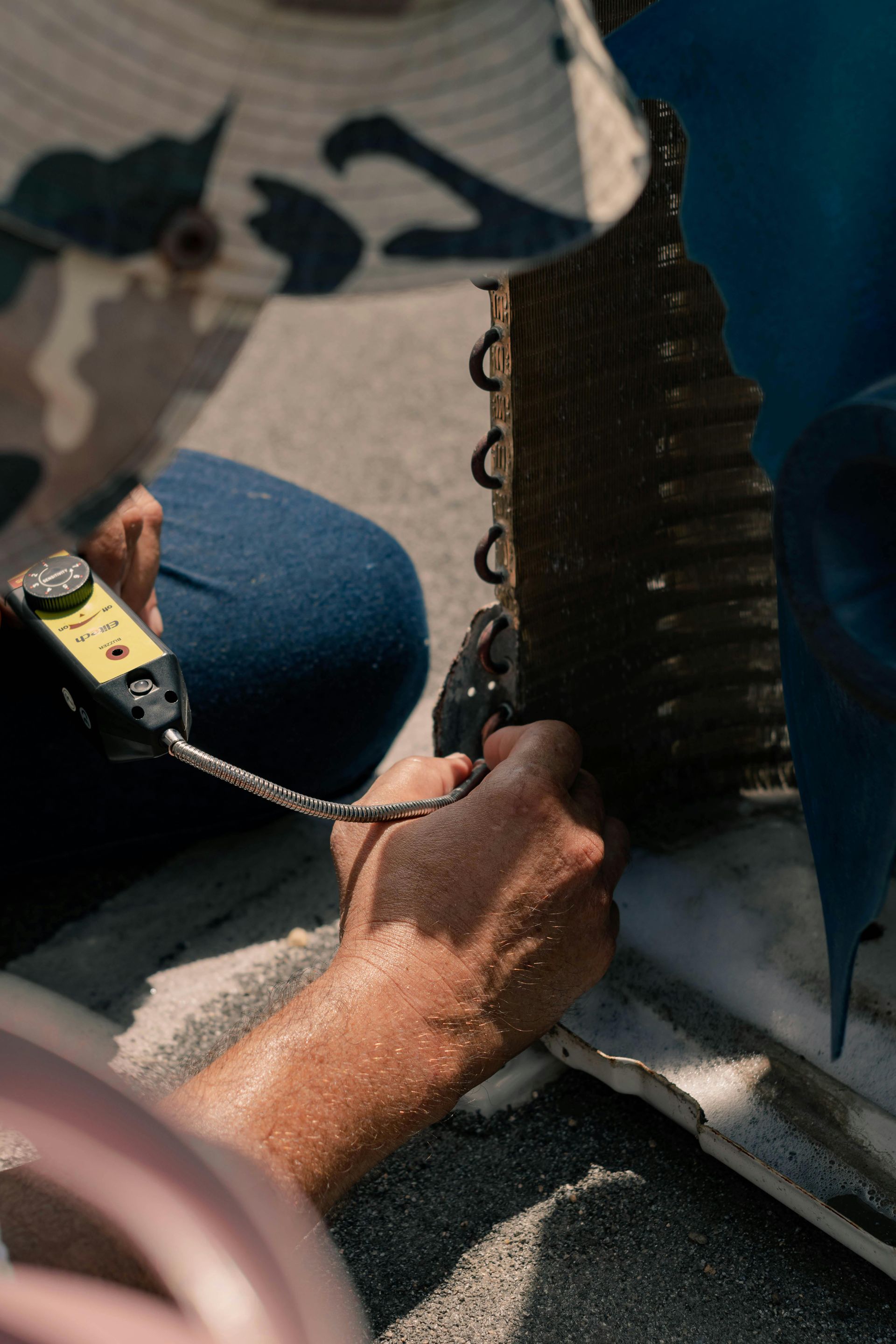
Refrigerant is essential for proper air conditioning performance. If levels are low due to a leak, your system won’t cool effectively and may suffer major damage. Signs of refrigerant problems include:
- Warm air from vents
- Ice buildup on coils
- Hissing or bubbling noises
- Sudden loss of cooling power
Refrigerant leaks require immediate professional attention from a licensed HVAC contractor. Continued operation can destroy the compressor and lead to costly repairs or replacement.
AC System Running Nonstop or Not Shutting Off
An HVAC system that runs continuously without cycling off can be just as concerning as one that won’t turn on. Constant operation may indicate a serious control or sensor issue. Potential causes include:
- Thermostat failure
- Electrical relay problems
- Refrigerant imbalance
- System overheating
If your AC won’t shut off, it’s best to call an emergency technician to prevent damage and excessive energy use.
Loud or Unusual Noises That Appear Suddenly
Some HVAC noises develop gradually, but sudden loud sounds often signal an emergency. Banging, grinding, screeching, or metal-on-metal noises usually indicate mechanical failure. Emergency-worthy noises often point to:
- Failing motors or bearings
- Loose or broken internal components
- Fan or compressor issues
Continuing to run the system can make the damage far worse, so immediate AC repair is recommended.
Water Leaks or Flooding Near HVAC Equipment
While minor condensation is normal, excessive water around HVAC equipment is not. Leaks can damage flooring, walls, and electrical components. Emergency situations include:
- Water pooling around the air handler
- Overflowing condensate drain lines
- Sudden flooding near HVAC units
Water damage can spread quickly, making this a valid reason to call for emergency HVAC service.
Sudden Drop in Indoor Air Quality
Some HVAC emergencies affect air quality rather than temperature. If you notice sudden, severe changes, action may be required right away. Warning signs include:
- Strong musty or chemical odors
- Excess humidity causing discomfort
- Visible dust or debris blowing from vents
These issues can affect health and comfort and may signal system failure or ductwork problems that need immediate attention.
HVAC Emergencies in Commercial Settings
For businesses, HVAC emergencies carry additional consequences. Loss of cooling can disrupt operations, affect employee productivity, and even damage temperature-sensitive inventory. Commercial HVAC emergencies may involve:
- Refrigeration & cooler repair failures
- System shutdowns during business hours
- Indoor air quality concerns affecting customers
In these situations, rapid response from a trusted HVAC contractor is critical.
Issues That Usually Aren’t Emergencies
Not every HVAC problem requires a middle-of-the-night service call. Some issues can safely wait for standard business hours.
These include:
- Minor temperature inconsistencies
- Routine AC maintenance needs
- Gradually rising energy bills
- Planned
thermostat upgrades
Scheduling regular AC tune ups and HVAC maintenance helps prevent many issues from becoming emergencies.
Why Ignoring Emergencies Makes Things Worse
Delaying emergency HVAC service can lead to:
- Increased repair costs
- More extensive system damage
- Complete system failure
- Unsafe indoor conditions
What starts as a manageable issue can quickly escalate if not addressed by a professional.
Preventing Emergency HVAC Situations
The best way to reduce emergency calls is through proactive care. Regular HVAC maintenance allows technicians to catch problems early and keep systems running reliably. Preventive services include:
- Seasonal inspections
- Filter replacement
- Coil cleaning
- Thermostat checks
- Ductwork evaluation
Well-maintained systems are far less likely to require emergency AC repair.
How a Professional HVAC Contractor Responds to Emergencies
When an emergency HVAC technician arrives, the goal is to stabilize the situation quickly and safely.Emergency service typically includes:
- Immediate diagnosis
- Temporary or permanent repairs
- Safety checks
- Recommendations to prevent repeat issues
Having an experienced local HVAC contractor ensures faster response and accurate solutions.
Get Immediate Help When It Matters Most
When HVAC problems strike unexpectedly, quick action can make all the difference. Whether it’s a complete AC failure, a refrigerant issue, or a safety concern, knowing when to call for emergency service protects your comfort and your investment.
If you’re dealing with an urgent HVAC issue in Holiday, FL, don’t wait and hope it resolves itself. Contact Ordine’s Air Conditioning & Heating for fast, dependable emergency HVAC service. Our team is ready to respond when you need help most—so you’re never left dealing with a critical system failure on your own.
Fred Ordine, Owner
Florida-certified HVAC contractor (CAC1821753) with 30+ years and three generations of HVAC experience across Tampa Bay. About Ordine's