
Humidity Problems at Home and How HVAC Systems Can Help
What Is the Ideal Indoor Humidity Level?
Most homes feel most comfortable when indoor humidity levels are between 30% and 50%. Within this range, air feels cooler, breathing is easier, and moisture-related issues are minimized. When humidity rises above this level—or drops too low—you may begin to notice changes in comfort and air quality. In Florida homes, high humidity is far more common than dry air, making proper moisture control a top priority.
Common Signs of High Humidity at Home
High humidity often develops gradually, and homeowners may not immediately recognize the cause of discomfort. Common signs include:
- Sticky or clammy indoor air
- Musty odors, especially near vents or closets
- Condensation on windows or walls
- Mold or mildew growth
- Increased allergy or respiratory symptoms
If these issues persist, your air conditioning system may not be managing humidity effectively and could require AC repair or system adjustments.
Why High Humidity Is a Problem in Holiday, FL
Florida’s climate naturally brings high outdoor humidity, which can easily make its way indoors. When your HVAC system isn’t removing enough moisture, indoor humidity rises quickly. High humidity can lead to:
- Reduced cooling efficiency
- Higher energy bills
- Mold and mildew growth
- Damage to furniture, flooring, and insulation
Controlling humidity is essential not only for comfort but also for protecting your home and HVAC equipment.
How Air Conditioning Systems Control Humidity
Air conditioning systems don’t just cool the air—they also remove moisture. As warm air passes over the evaporator coil, moisture condenses and is drained away, reducing indoor humidity. However, humidity control depends on several factors:
- Proper system sizing
- Clean coils and filters
- Correct airflow
- Adequate run time
If your AC system is oversized or poorly maintained, it may cool the home too quickly without running long enough to remove sufficient moisture. In these cases, AC tune ups or HVAC installation adjustments may be necessary.
When HVAC Problems Affect Humidity Control
Certain HVAC issues can prevent proper humidity removal. These include:
- Dirty air filters restricting airflow
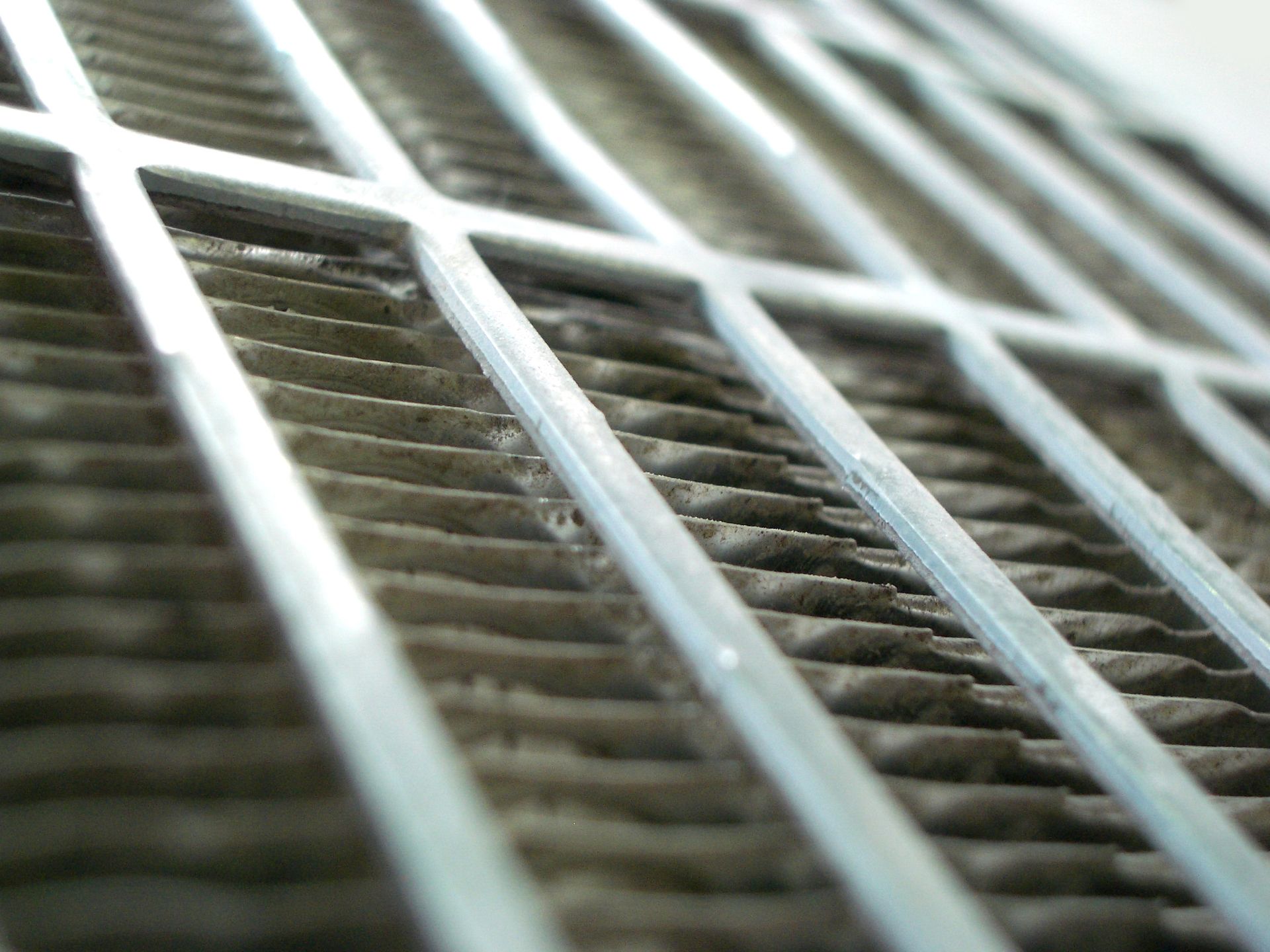
- Frozen or dirty evaporator coils
- Improper refrigerant levels
- Faulty thermostats or controls
Regular HVAC maintenance helps identify and correct these problems before humidity issues become severe.
The Role of Ductwork and Insulation
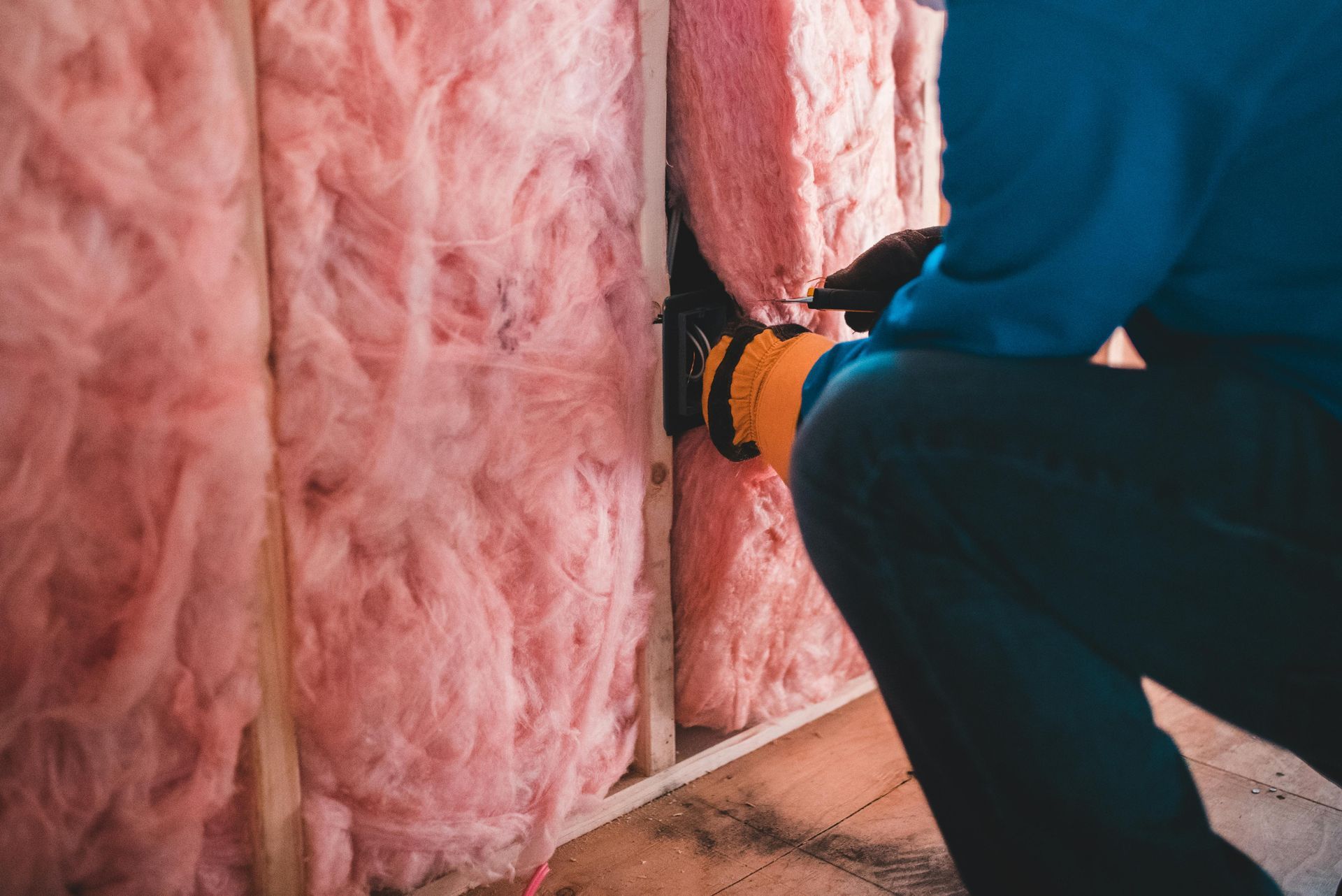
Ductwork and insulation also play an important role in humidity management. Leaky or poorly insulated ducts can allow humid air to enter the system, increasing moisture levels indoors.
Issues with ductwork can cause:
- Uneven cooling and humidity levels
- Increased system workload
- Reduced indoor air quality
Services such as ductwork inspection, duct cleaning, and insulation services help improve humidity control and overall HVAC performance.
How Poor Humidity Control Impacts Indoor Air Quality
High humidity creates an environment where allergens, mold, and bacteria thrive. This directly affects indoor air quality and can worsen health symptoms for occupants. Poor humidity control can contribute to:
- Increased dust mites
- Mold spores circulating through ducts
- Strong odors and stale air
Maintaining proper humidity is one of the most effective ways to improve indoor air quality and create a healthier living environment.
Can Low Humidity Be a Problem Too?
While less common in Florida, low indoor humidity can still occur during certain seasons or with overworked HVAC systems. Dry air can cause:
- Dry skin and irritated sinuses
- Static electricity
- Cracked wood furniture or flooring
An experienced HVAC contractor can assess whether your system is creating overly dry conditions and recommend solutions to restore balance.
Thermostats and Humidity Management
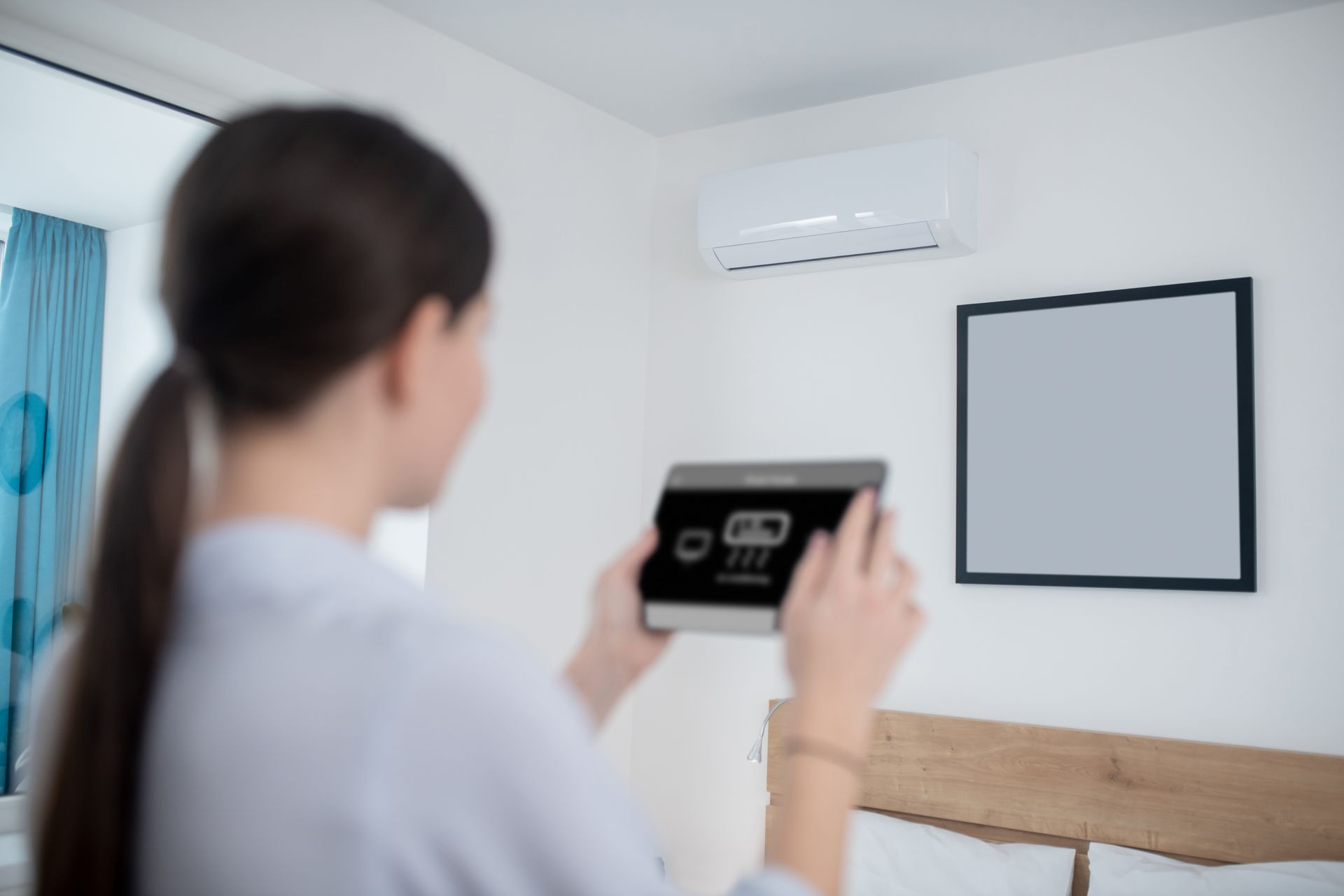
Modern thermostats can help improve humidity control by optimizing system run time and performance. Some advanced thermostats allow better coordination between cooling cycles and moisture removal. Proper thermostat setup helps:
- Prevent short cycling
- Improve comfort consistency
- Support effective humidity control
Upgrading thermostats may be part of an overall solution when humidity problems persist.
HVAC Maintenance Prevents Humidity Issues
One of the most effective ways to prevent humidity problems is through routine AC maintenance and HVAC maintenance. Maintenance ensures that all system components work together efficiently. Regular service includes:
- Filter replacement
- Coil cleaning
- Drain line inspection
- System performance checks
Well-maintained systems remove moisture more effectively and are less likely to develop mold or airflow issues.
Residential and Commercial Humidity Concerns
Humidity control is important in both residential HVAC and commercial HVAC settings. In businesses, excess moisture can affect employee comfort, equipment, and even refrigeration & cooler repair systems that rely on stable indoor conditions. Professional HVAC service ensures humidity is managed appropriately for different environments and usage levels.
When to Call a Professional HVAC Contractor
If humidity issues persist despite normal AC operation, professional evaluation is recommended. Signs it’s time to call for service include:
- Ongoing musty odors
- Visible mold growth
- Persistent condensation
- Rising energy bills without explanation
A qualified HVAC contractor can identify whether the issue is related to equipment performance, ductwork, insulation, or system sizing.
Emergency Situations Related to Humidity
In some cases, humidity problems are linked to HVAC failures that require immediate attention. Water leaks, frozen coils, or system shutdowns during extreme heat may require emergency AC or HVAC repair to prevent further damage. Prompt response protects both your home and your HVAC system.
Long-Term Benefits of Proper Humidity Control
When humidity is properly managed, homeowners experience:
- Improved comfort at higher thermostat settings
- Lower energy costs
- Better indoor air quality
- Reduced risk of mold and moisture damage
- Longer HVAC system lifespan
Effective humidity control supports both comfort and efficiency year-round.
Create a More Comfortable Home With the Right HVAC Support
Humidity problems don’t have to be a constant struggle. With the right HVAC system, proper maintenance, and professional guidance, your home can stay comfortable and healthy even in Florida’s humid climate.
If your home feels sticky, musty, or uncomfortable despite running the AC, it may be time to take a closer look at how your HVAC system is handling moisture. Reach out to Ordine’s Air Conditioning & Heating to schedule an evaluation. Our team helps homeowners in Holiday, FL address humidity problems through expert AC repair, maintenance, and system solutions—so your home feels cooler, drier, and more comfortable every day.
Fred Ordine, Owner
Florida-certified HVAC contractor (CAC1821753) with 30+ years and three generations of HVAC experience across Tampa Bay. About Ordine's